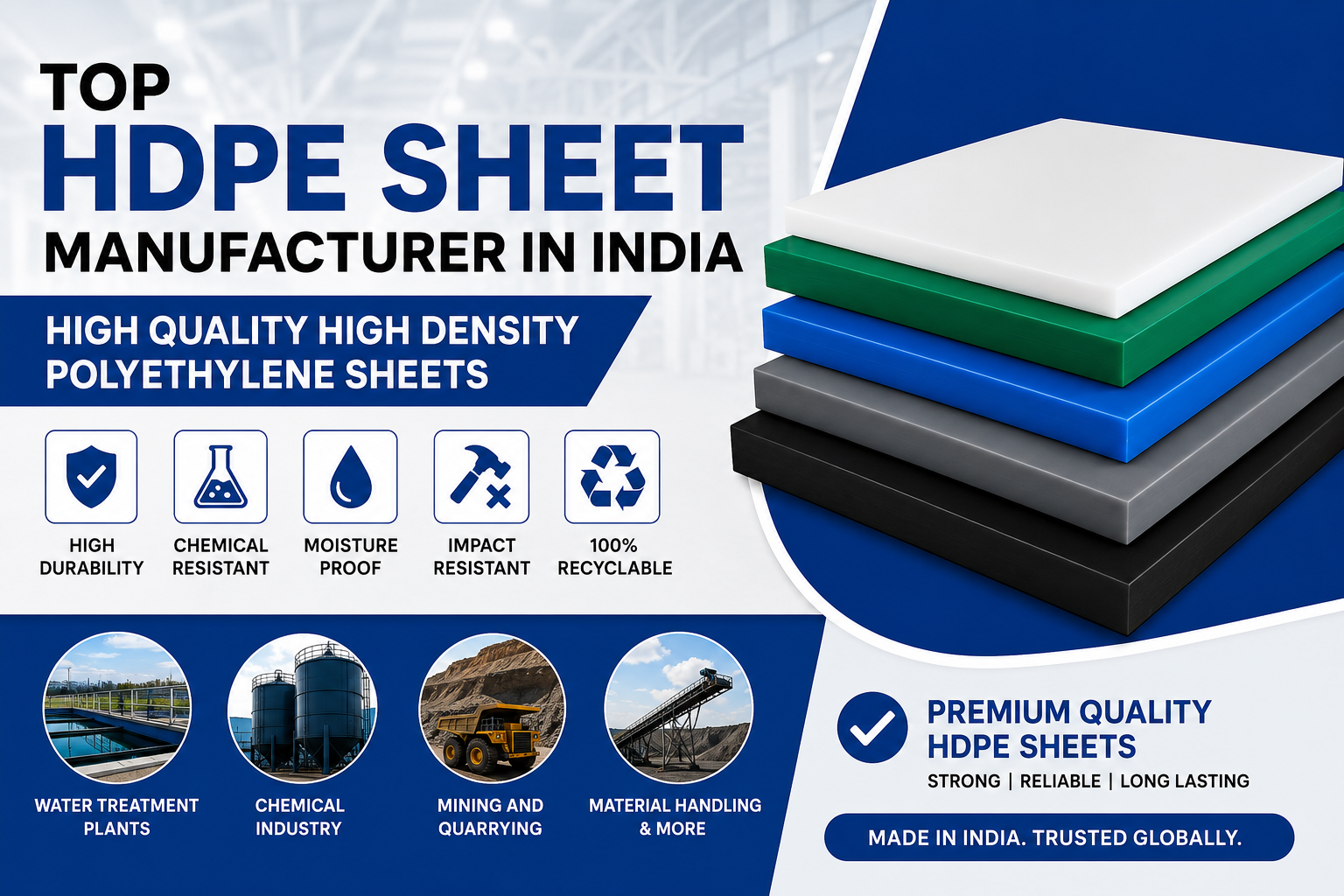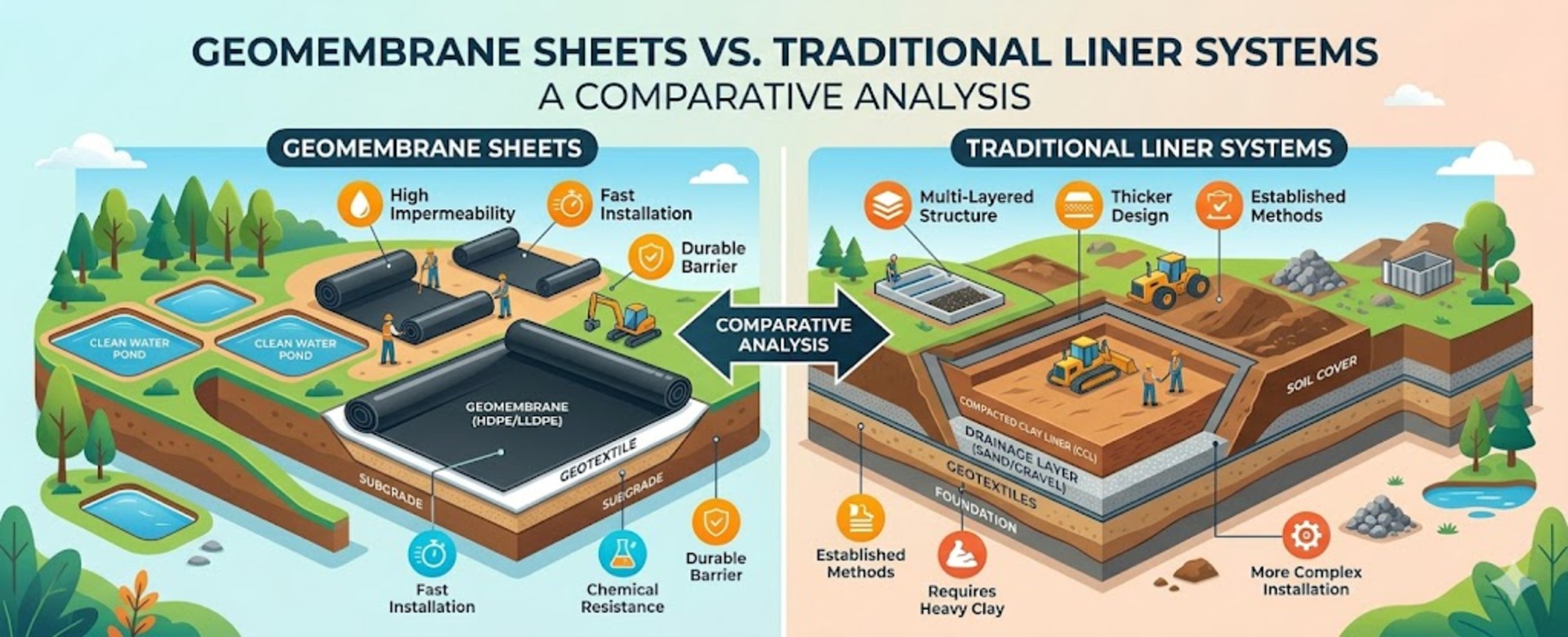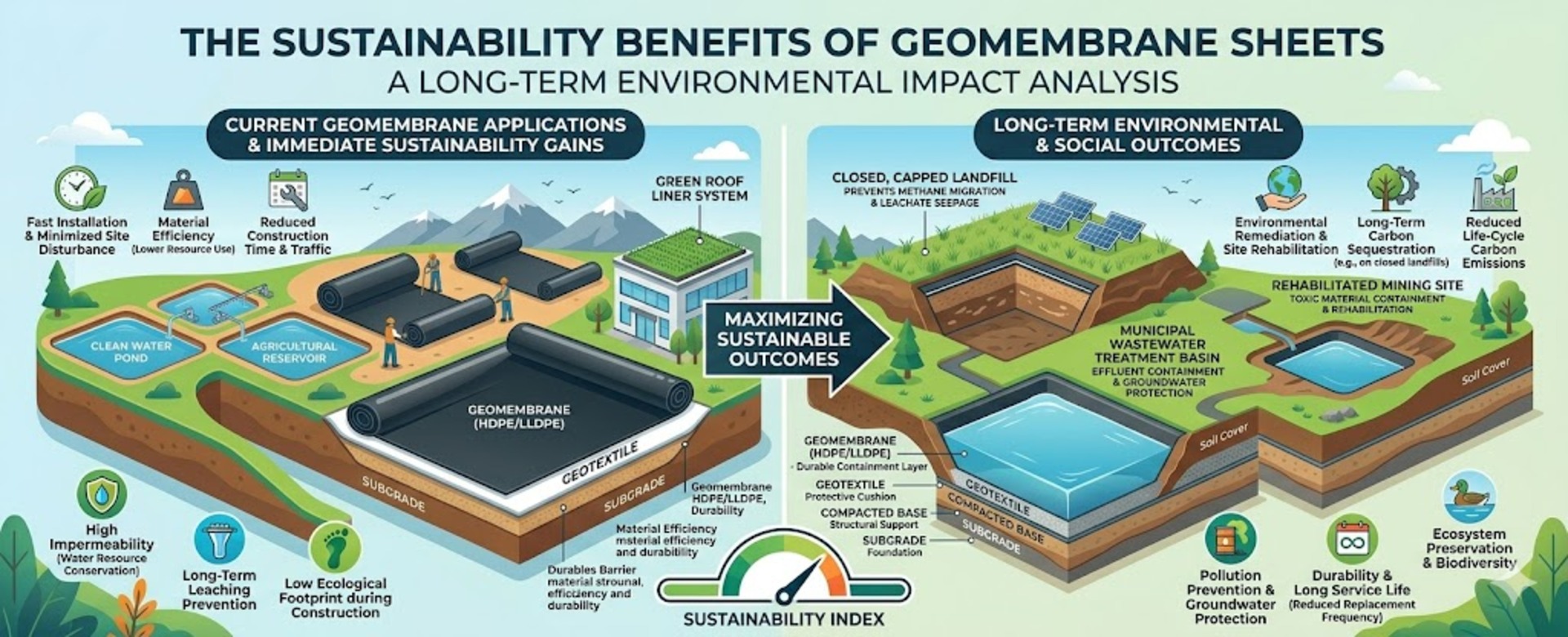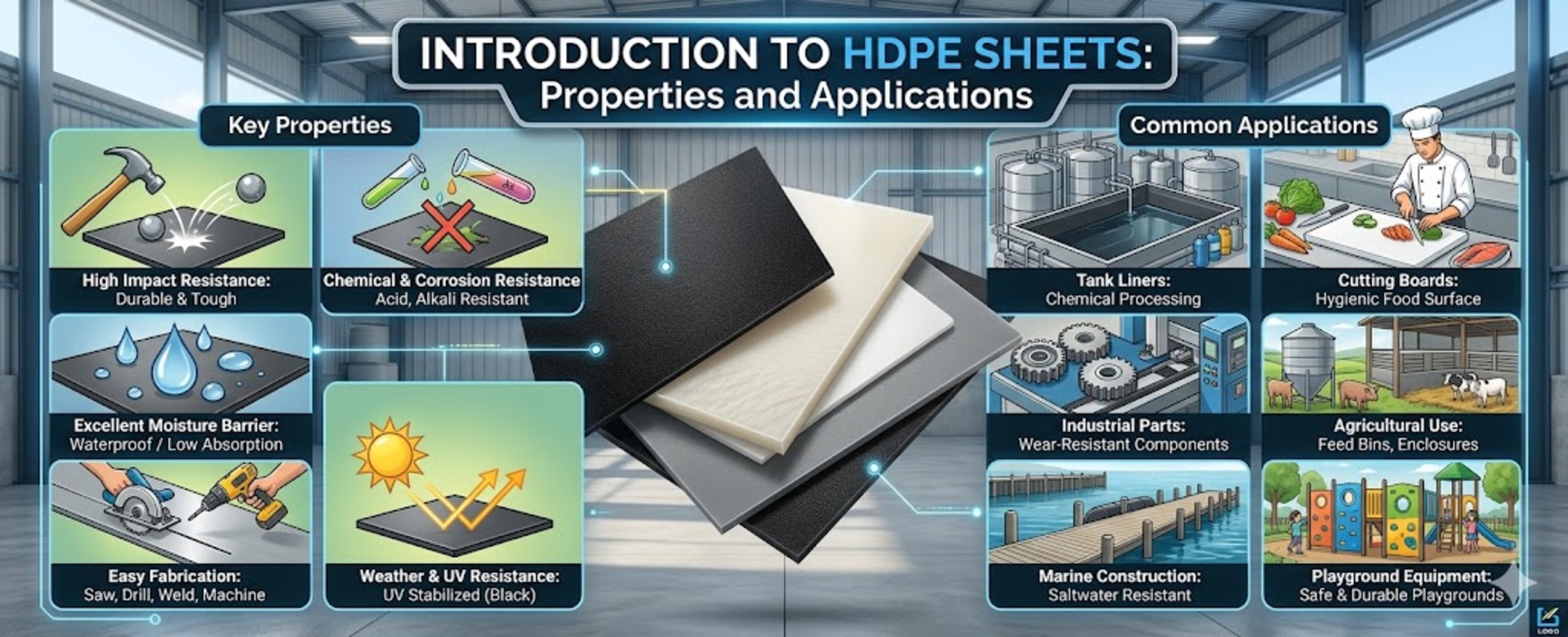

High-Density Polyethylene (HDPE) sheets are a popular material in the manufacturing of geomembranes due to their exceptional physical properties and versatility. HDPE is a type of thermoplastic polymer that is durable, chemically resistant, and highly flexible. These characteristics make HDPE sheets an ideal choice for various industrial, environmental, and construction applications.
Properties of HDPE Sheets:
- Durability and Strength: HDPE is known for its high tensile strength, which allows it to resist stretching and tearing. This makes it particularly suitable for applications where the material will be subjected to physical stress, such as in landfills, mining operations, and wastewater treatment.
- Chemical Resistance: HDPE sheets are highly resistant to a wide range of chemicals, including acids, alkalis, oils, and solvents. This chemical resistance makes HDPE ideal for use in hazardous waste containment, chemical storage areas, and industrial applications where exposure to harsh substances is common.
- UV Resistance: HDPE has natural resistance to ultraviolet (UV) radiation, which helps prevent degradation when exposed to sunlight. However, for long-term outdoor applications, UV stabilizers are often added to enhance HDPE’s performance under prolonged exposure to the sun.
- Water Resistance: HDPE sheets are impermeable to water, making them ideal for waterproofing applications, such as in pond liners, reservoirs, and landfill liners. The material’s ability to prevent water infiltration helps protect the surrounding environment from contamination.
- Flexibility: While HDPE is strong and durable, it is also flexible, which allows it to conform to irregular surfaces and adapt to environmental conditions. This flexibility makes it suitable for applications that require both strength and adaptability.
- Environmental Friendliness: HDPE is a recyclable material, which contributes to its sustainability. Used HDPE sheets can be processed and reused in other applications, helping to reduce waste and minimize environmental impact.
Applications of HDPE Sheets:
- Landfills and Waste Containment:
HDPE geomembranes are commonly used in landfills to line and seal waste storage areas, preventing the leaching of toxic substances into the surrounding soil and groundwater. - Water Management Systems:
HDPE sheets are used in the construction of ponds, reservoirs, and irrigation systems to contain water and prevent seepage, ensuring efficient water use in agricultural and industrial applications. - Mining Operations:
In mining, HDPE sheets are used to line tailings ponds and containment basins to manage hazardous byproducts and prevent the contamination of nearby water sources. - Chemical Storage and Containment:
HDPE sheets provide an impermeable barrier for chemical containment in industries that require safe storage of hazardous materials. These sheets help protect the environment and human health by preventing leaks and spills. - Agricultural Applications:
HDPE sheets are used in agricultural ponds, irrigation canals, and agricultural waste containment, ensuring water retention and minimizing water loss in irrigation systems.
HDPE sheets are highly versatile and effective for applications requiring durable, chemical-resistant, and impermeable materials. Their wide range of applications makes them essential in many industries, especially in environmental protection and resource management.