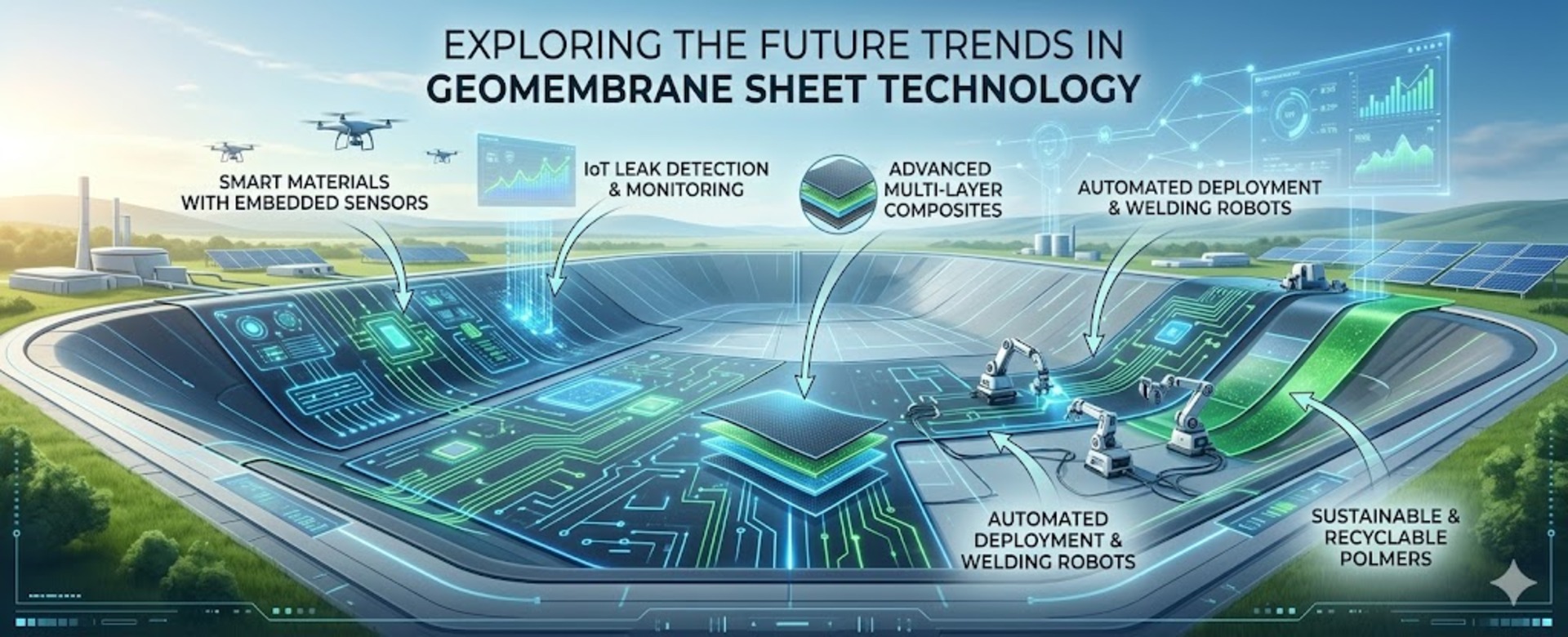

The geomembrane sheet industry is evolving rapidly, driven by technological advancements and growing demand across various sectors. As the need for sustainable and efficient materials rises, several trends are shaping the future of geomembrane sheet technology.
Sustainable Materials
The push for eco-friendly solutions is leading to the development of geomembrane sheets made from recycled and biodegradable materials. These sustainable options aim to reduce the environmental impact while maintaining performance standards.
Enhanced Durability
Researchers are focusing on improving the durability of geomembrane sheets. New formulations with enhanced resistance to UV radiation, chemical exposure, and physical wear are extending the lifespan of these products, making them more cost-effective over time.
Smart Geomembranes
The integration of smart technology into geomembrane sheets is an exciting development. Sensors embedded in these sheets can monitor structural integrity, detect leaks, and provide real-time data, enabling proactive maintenance.
Broader Applications
Innovations are expanding the application range of geomembrane sheets. From vertical farming to aquaculture, these sheets are finding new uses beyond traditional sectors like agriculture and construction.
Cost Reduction
As production technologies advance, the cost of manufacturing geomembrane sheets is expected to decrease. This will make high-quality geomembranes accessible to a wider range of users, boosting adoption rates globally.
The future of geomembrane sheet technology is bright, with innovations addressing current limitations and unlocking new possibilities. As industries continue to adopt these versatile materials, their impact on sustainability and efficiency will only grow stronger.
Geomembrane Sheets: Understanding Different Material Options
Geomembrane sheets are synthetic liners used in various applications to provide impermeable barriers against liquids and gases. They are commonly used in industries such as construction, waste management, agriculture, and environmental protection. Geomembranes are manufactured using different materials, each designed to suit specific environmental and application needs. Understanding the various material options is crucial for selecting the right geomembrane for your project.
- HDPE (High-Density Polyethylene)
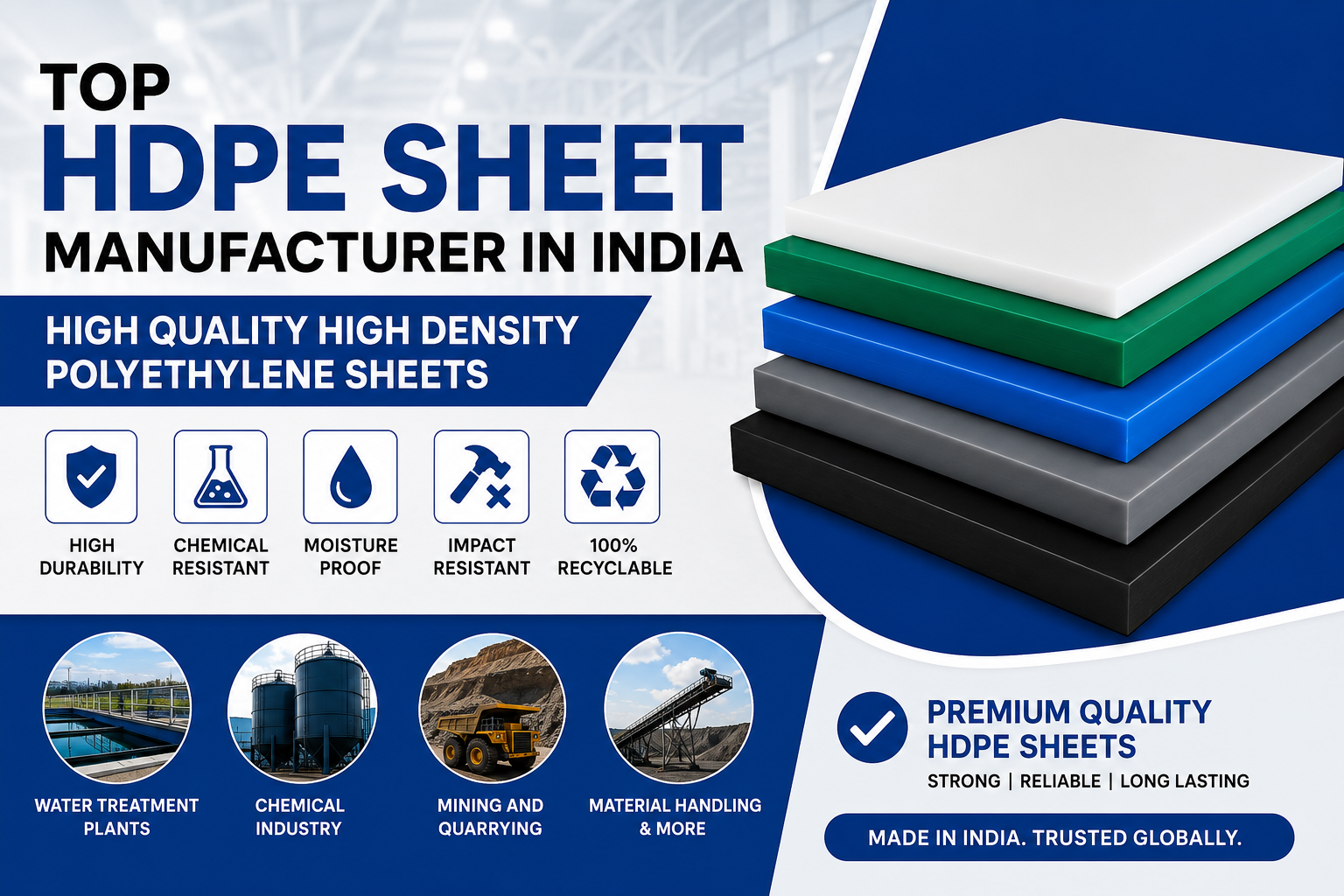
HDPE geomembranes are among the most commonly used due to their impressive strength, chemical resistance, and durability. HDPE is highly resistant to a wide range of chemicals, including acids, alkalis, and oils, making it ideal for use in landfills, mining operations, wastewater treatment plants, and hazardous waste containment. HDPE geomembranes are also UV-resistant, providing longevity even in outdoor applications exposed to sunlight.
- Applications: Landfills, mining, wastewater treatment, and hazardous waste containment.
- Benefits: High chemical resistance, UV stability, high tensile strength, and durability.
- LDPE (Low-Density Polyethylene)
LDPE geomembranes are more flexible than HDPE geomembranes and are used in applications where bending and conforming to irregular surfaces are important. They are also less resistant to punctures compared to HDPE but offer a more cost-effective option for specific needs. LDPE geomembranes are often used in agricultural applications, such as pond liners, agricultural waste management, and irrigation systems.
- Applications: Pond liners, irrigation systems, agricultural applications, and small-scale containment projects.
- Benefits: Flexibility, ease of installation, cost-effective, and adaptable to irregular surfaces.
- PVC (Polyvinyl Chloride)
PVC geomembranes are known for their excellent weather resistance, chemical durability, and flexibility. These geomembranes are lightweight, easy to install, and resistant to UV degradation, making them suitable for both indoor and outdoor applications. PVC is particularly useful in environments where chemical resistance is not as critical but where flexibility and ease of handling are desired.
- Applications: Ponds, reservoirs, canals, and landscaping projects.
- Benefits: Lightweight, flexible, weather-resistant, UV resistant, and easy to install.
- EPDM (Ethylene Propylene Diene Monomer)
EPDM geomembranes are widely used in waterproofing and erosion control applications. Known for their resilience, EPDM offers excellent resistance to extreme temperatures, UV radiation, and environmental stress cracking. This material is particularly effective for applications that require long-term performance in harsh weather conditions, such as roofing, pond liners, and water reservoirs.
- Applications: Roofing membranes, pond liners, water reservoirs, and erosion control.
- Benefits: Excellent UV and temperature resistance, long-term durability, and flexibility.
- fPP (Flexible Polypropylene)
fPP geomembranes are known for their excellent mechanical properties, chemical resistance, and resistance to aging. These geomembranes are used in applications where high strength and durability are required, such as in reservoirs, landfills, and mining operations. They also provide good environmental protection against contaminants.
- Applications: Landfills, reservoirs, and mining operations.
- Benefits: High strength, chemical resistance, and aging resistance.
Choosing the right material for your geomembrane application depends on factors such as the type of chemicals involved, environmental conditions, mechanical stress, and the specific purpose of the project.