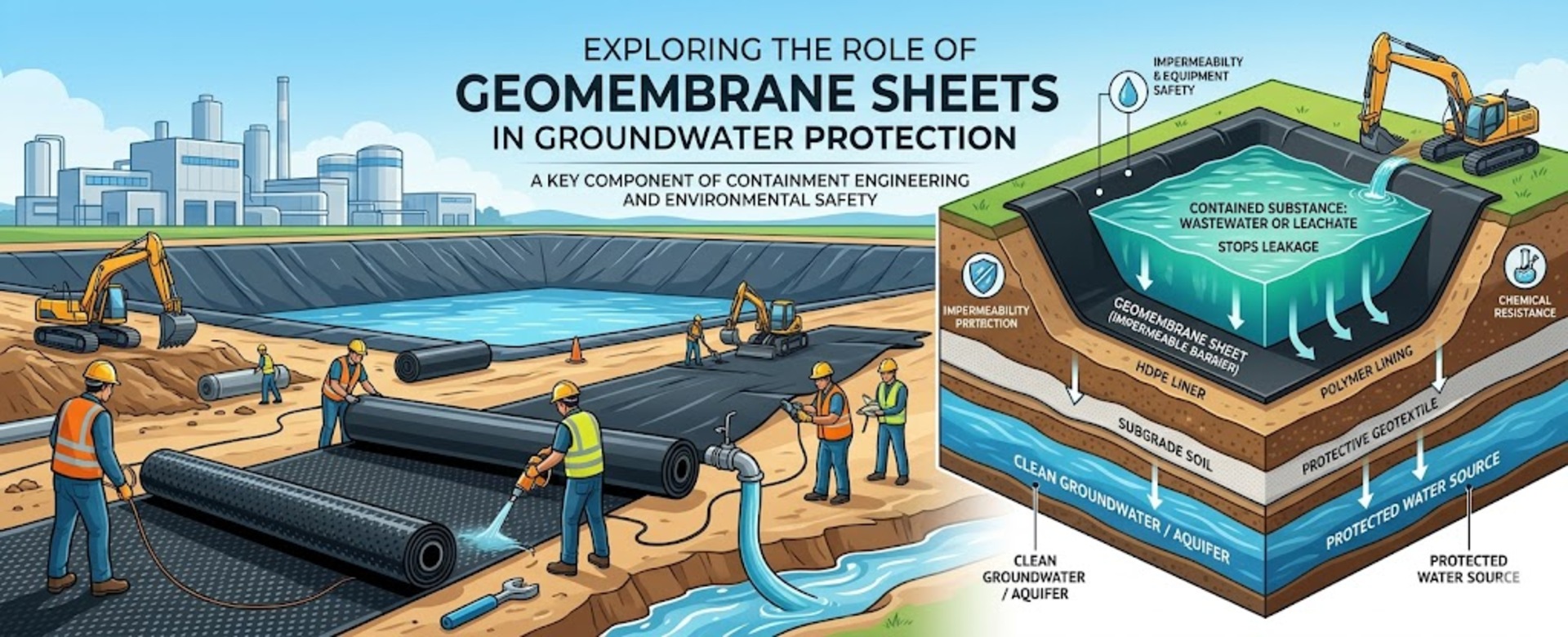

Geomembrane sheets are essential in protecting groundwater from contamination, a critical function in various industries such as landfills, mining, and wastewater management. Groundwater is a valuable resource, and any contamination can have long-lasting environmental and health impacts. Geomembranes serve as effective barriers to prevent hazardous materials from leaching into groundwater, ensuring the safety of drinking water supplies and the surrounding ecosystem.
How Geomembranes Protect Groundwater:
- Containment of Leachate in Landfills
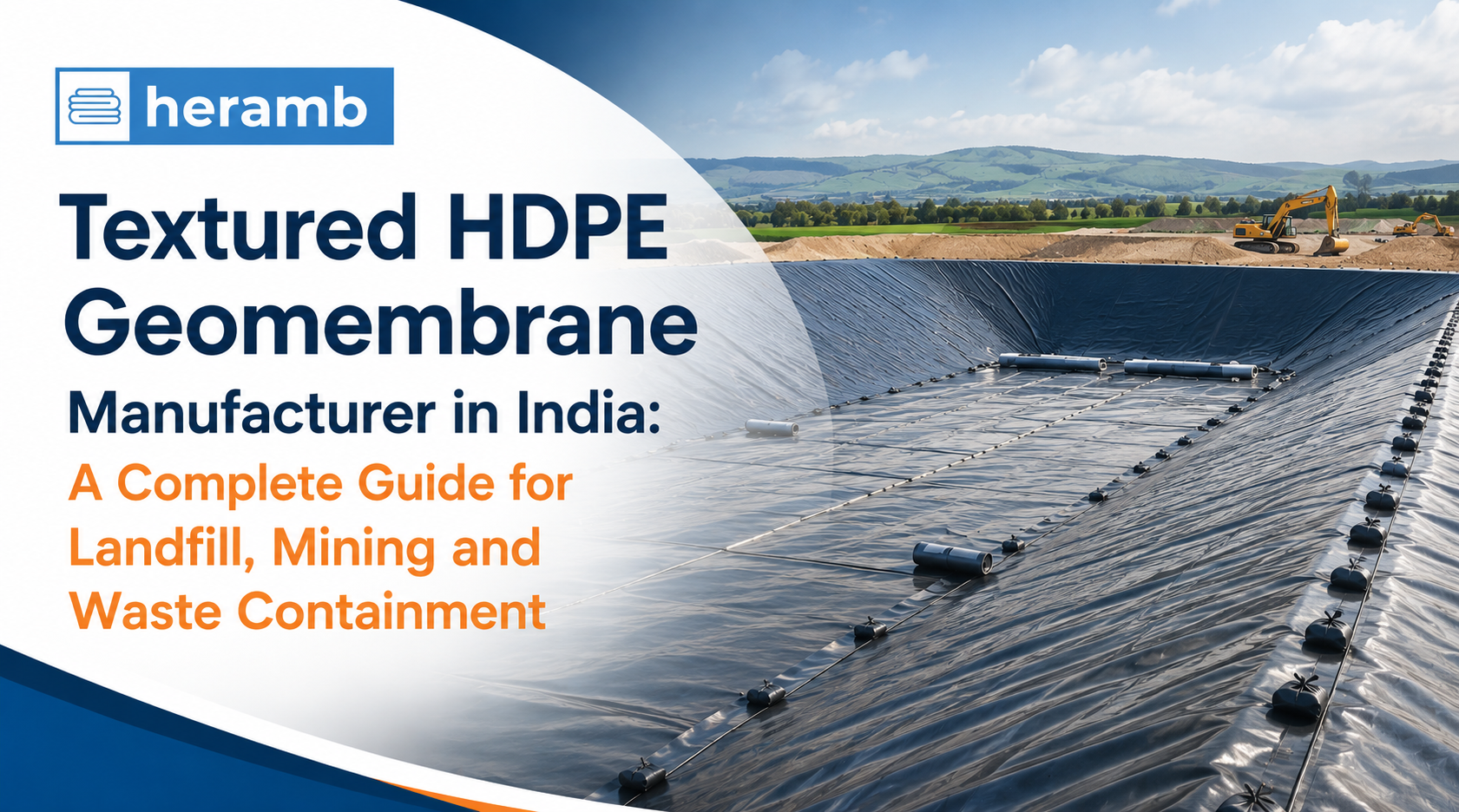
Landfills often contain a wide variety of hazardous materials, and without proper containment, leachate can seep into the ground and contaminate groundwater. Geomembrane sheets, particularly HDPE and LDPE, are used as liners in landfills to create a secure barrier between the waste and the underlying soil. These geomembranes prevent the migration of leachate into the surrounding soil and groundwater, protecting both the environment and public health. - Waterproofing in Wastewater Treatment Facilities
In wastewater treatment plants, geomembranes are used to line ponds, tanks, and other containment areas to prevent treated water or chemicals from leaching into the groundwater. By preventing seepage, geomembranes help ensure that wastewater does not contaminate surrounding aquifers, maintaining the purity of groundwater and reducing the risk of chemical pollution. - Mining Applications
In mining operations, geomembranes are used in tailing ponds, where mining byproducts and hazardous materials are stored. These sheets prevent toxic materials from entering groundwater sources by acting as a protective layer, ensuring that any chemicals or byproducts from mining activities do not leak into surrounding water supplies. - Agricultural Applications
Agricultural runoff, which often contains pesticides, herbicides, and fertilizers, can seep into groundwater and cause contamination. Geomembranes are used in agricultural ponds and water reservoirs to prevent chemicals from seeping into the surrounding soil and groundwater. This is particularly important in areas that rely on groundwater for irrigation and drinking water. - Rainwater Harvesting Systems
Geomembranes also play a role in rainwater harvesting systems by ensuring that stored rainwater remains clean and free from contamination. By lining storage tanks and reservoirs with geomembranes, rainwater is prevented from leaching through soil and collecting contaminants from surrounding areas, ensuring that the water remains safe for consumption or agricultural use.
Overall, geomembranes are a critical tool in protecting groundwater from contamination, helping to maintain clean and safe water resources for both human consumption and ecological balance.