
Pond liners are available in a variety of materials, each with distinct features suited for different applications. Choosing the right liner requires understanding the strengths and limitations of each type.
Types of Pond Liners:
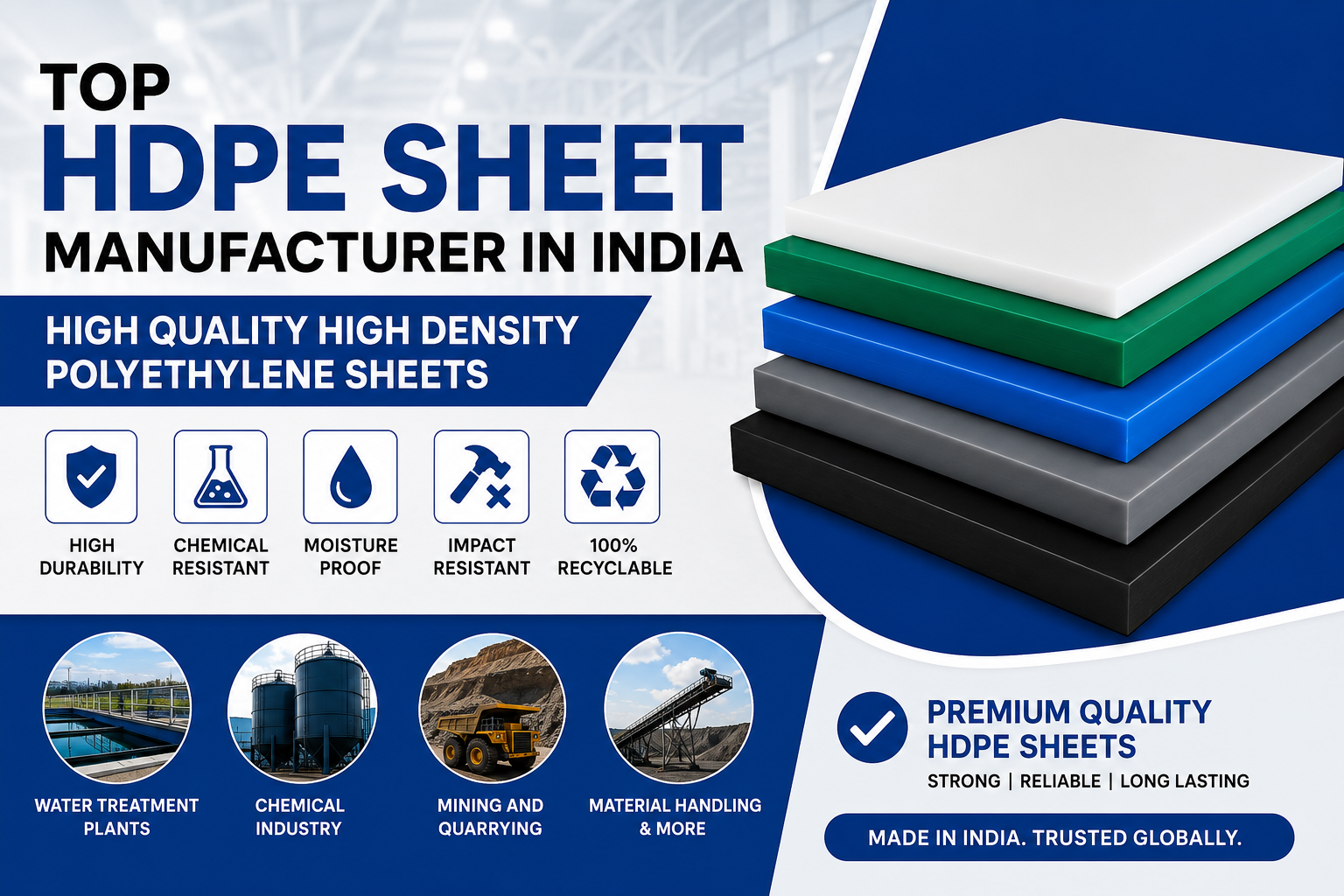
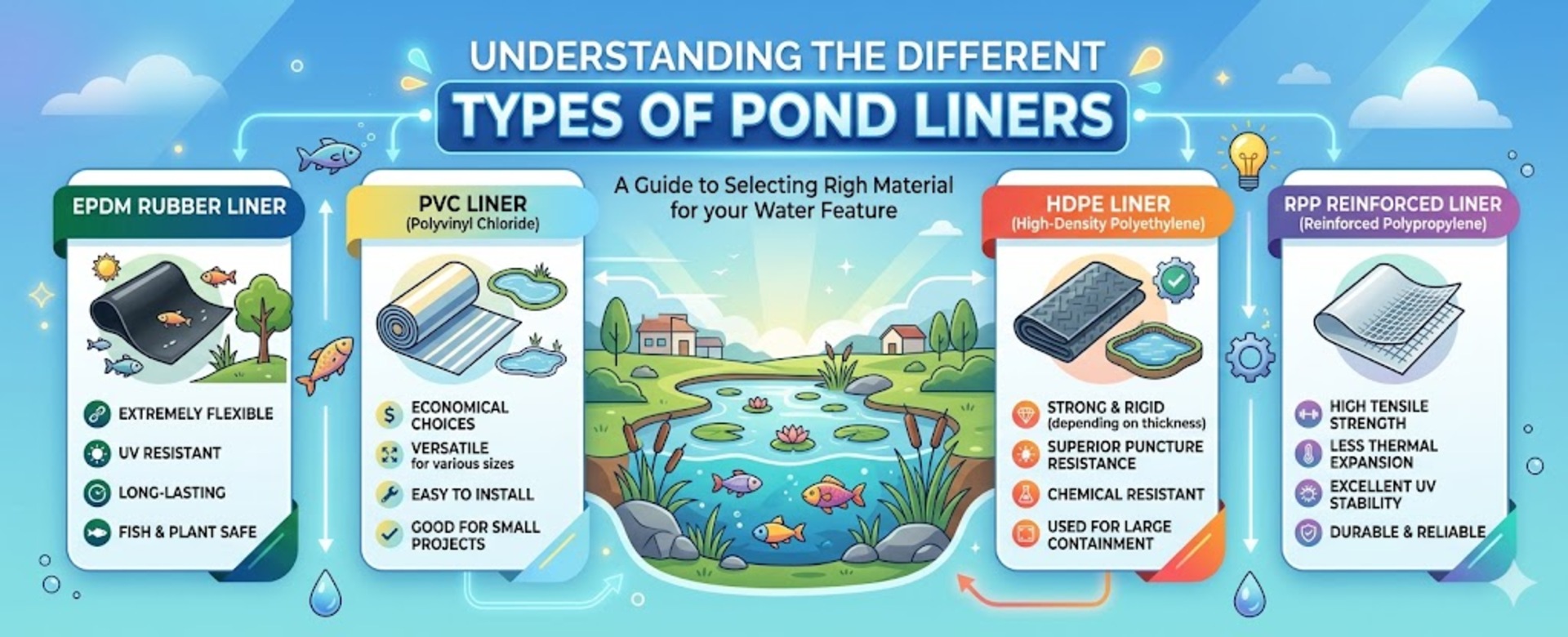
- HDPE (High-Density Polyethylene):
- Features: Highly durable, UV-resistant, chemical-resistant, and cost-effective.
- Applications: Large-scale ponds, agricultural reservoirs, and industrial projects.
- Pros: Long lifespan, eco-friendly, and lightweight for easy installation.
- Cons: Less flexible than other materials, making it less ideal for irregular shapes.
- EPDM (Ethylene Propylene Diene Monomer):
- Features: Extremely flexible, weather-resistant, and long-lasting.
- Applications: Decorative ponds, fish ponds, and water gardens.
- Pros: Easy to install, handles irregular shapes, and safe for aquatic life.
- Cons: Requires protective underlayment to prevent punctures.
- PVC (Polyvinyl Chloride):
- Features: Affordable and lightweight, suitable for small-scale projects.
- Applications: Residential ponds and temporary installations.
- Pros: Low cost and easy to handle.
- Cons: Prone to UV degradation and less durable over time.
- Rubber Liners:
- Features: Flexible and durable, ideal for custom pond designs.
- Applications: Ornamental ponds and water features.
- Pros: Resistant to punctures and long-lasting.
- Cons: Expensive and heavier than other liners.
- Reinforced Polyethylene (RPE):
- Features: Combines flexibility with high strength and puncture resistance.
- Applications: Large agricultural ponds, aquaculture, and containment systems.
- Pros: Lightweight, durable, and cost-effective for large projects.
- Cons: Limited availability compared to more common materials.
By understanding these types, you can select the liner that best meets your needs, whether it’s for durability, cost, flexibility, or specific environmental conditions.