
Water containment is a critical aspect of infrastructure, agriculture, and environmental management. Whether it’s storing water for irrigation, controlling wastewater, or preventing seepage in reservoirs, reliable and efficient containment systems are essential. Geomembrane sheets have emerged as a game-changing solution in this field, providing unmatched impermeability, durability, and versatility. These synthetic liners, made from materials such as HDPE (High-Density Polyethylene), LDPE (Low-Density Polyethylene), and PVC (Polyvinyl Chloride), are now integral to water containment systems worldwide.
1. Superior Impermeability for Water Retention
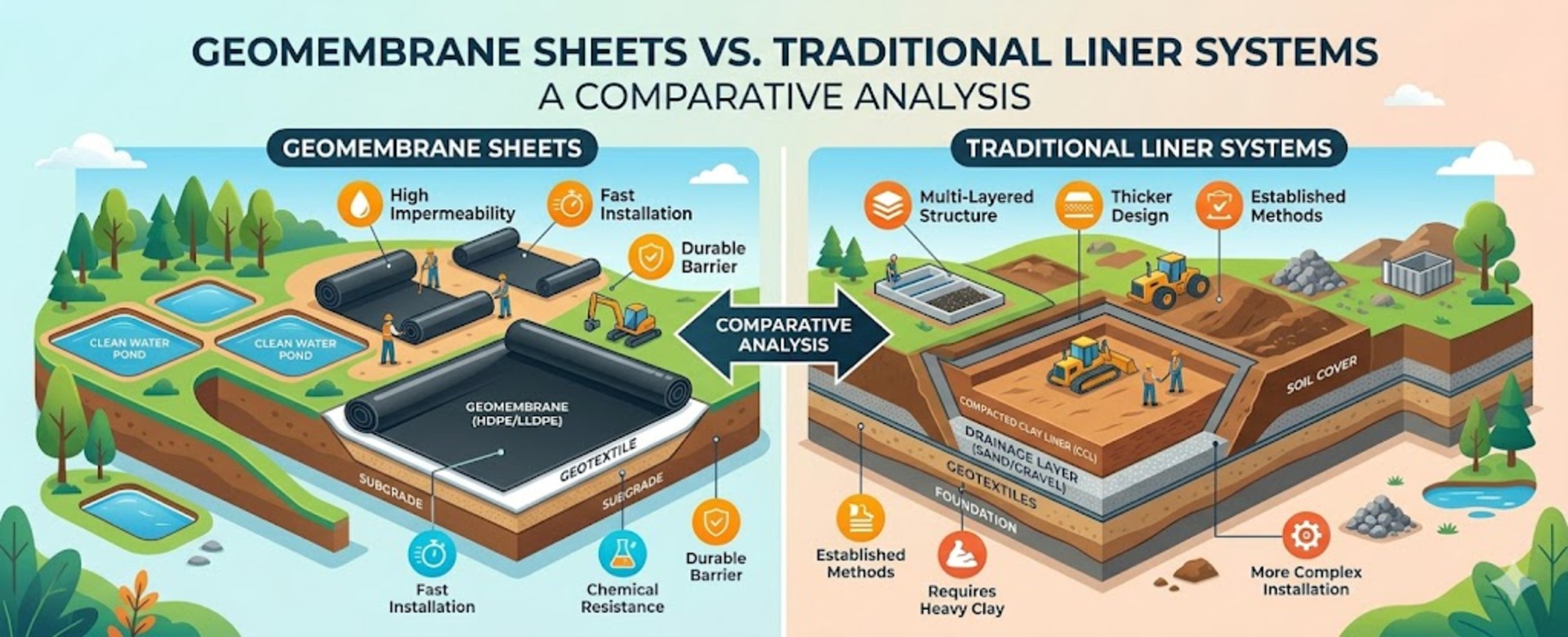
The primary function of geomembrane sheets in water containment is to prevent water seepage. Their impermeable nature ensures that water remains contained within reservoirs, ponds, and canals. Unlike traditional liners such as clay, which may allow some degree of seepage over time, geomembranes create a highly effective barrier that minimizes water loss.
This feature is particularly important in regions where water scarcity is a concern. By reducing seepage, geomembrane sheets help conserve water, making them an essential tool for sustainable water management.
2. Versatility Across Applications
Geomembrane sheets are used in a wide range of water containment applications:
- Agriculture: Farmers rely on geomembrane-lined ponds and reservoirs to store water for irrigation, especially during dry seasons.
- Aquaculture: In fish and shrimp farming, geomembranes provide a clean, controlled environment that prevents water contamination and promotes healthier aquatic life.
- Potable Water Storage: Geomembrane sheets are used in tanks and reservoirs to safely store drinking water without the risk of contamination.
- Canal Linings: Irrigation canals lined with geomembranes experience reduced water loss, enhancing the efficiency of water distribution systems.
3. Durability and Resistance
Water containment systems often face challenging conditions, including fluctuating temperatures, UV exposure, and chemical interactions. Geomembrane sheets are designed to withstand these challenges. HDPE geomembranes, for example, are highly resistant to UV radiation, making them suitable for outdoor water containment structures.
Additionally, geomembranes resist damage from chemicals, algae growth, and soil movement, ensuring long-term performance. This durability reduces maintenance requirements and increases the lifespan of water containment systems.
4. Cost-Effectiveness
While the initial investment in geomembrane sheets may seem higher than traditional liners, their long-term benefits make them cost-effective. Their ability to prevent water loss, reduce maintenance costs, and extend the lifespan of containment systems translates into significant savings over time.
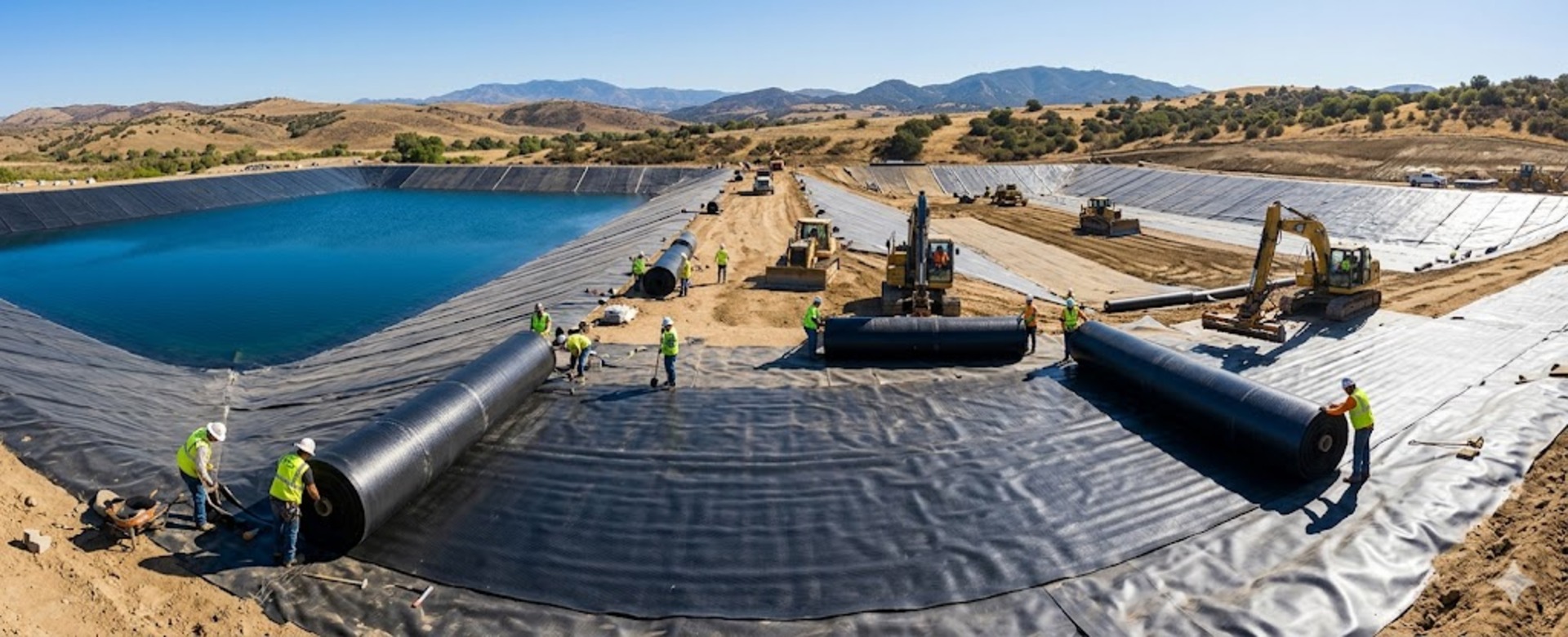
Moreover, their lightweight nature simplifies transportation and installation, further reducing labor costs and project timelines.
5. Environmental Protection
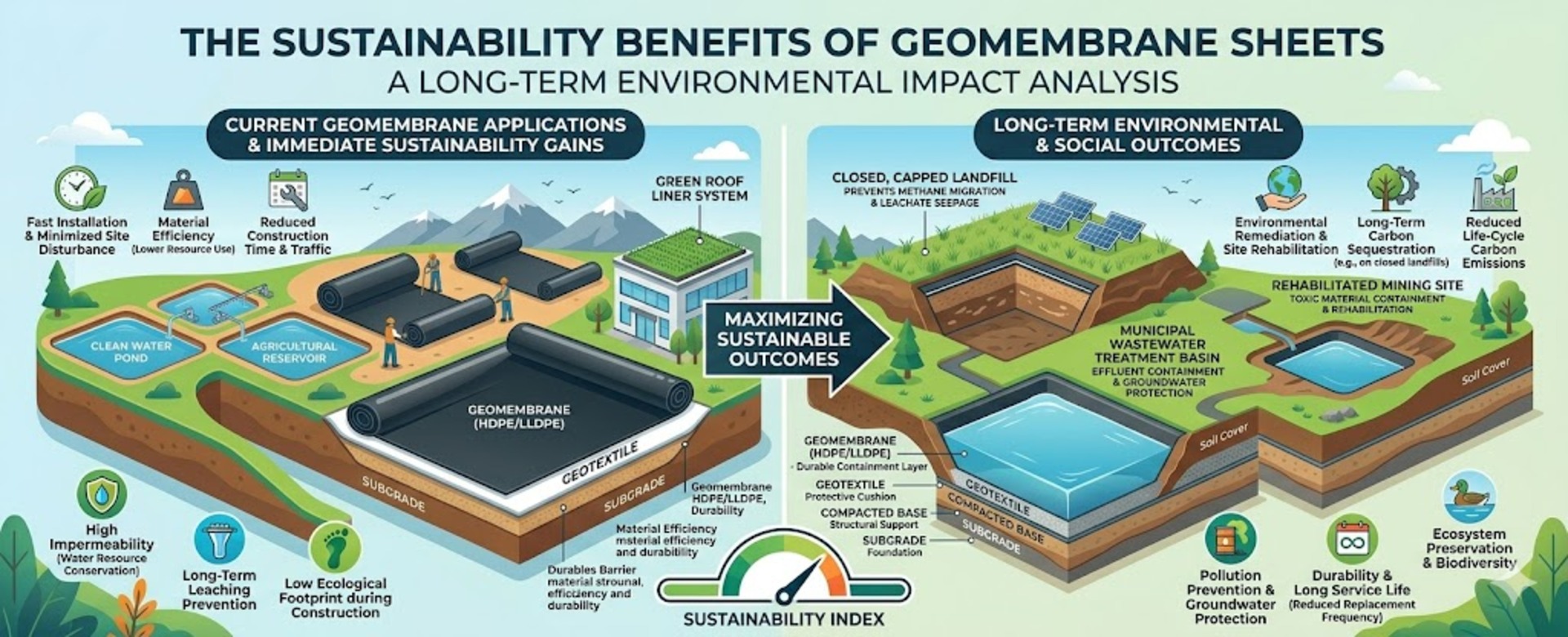
Geomembrane sheets not only retain water but also protect the surrounding environment. By preventing seepage, they reduce the risk of soil erosion and groundwater contamination. This is especially critical in projects involving wastewater containment, where the release of harmful substances into the soil or water table can have devastating consequences.
For rainwater harvesting systems, geomembranes enhance sustainability by enabling efficient collection and storage of rainwater, promoting eco-friendly water use practices.