
HDPE sheets are becoming increasingly popular in a wide range of infrastructure projects due to their strength, versatility, and cost-effectiveness. From waste management and water storage to construction and environmental protection, HDPE sheets provide innovative solutions that contribute to the success and sustainability of infrastructure developments.
Innovative Applications of HDPE Sheets:
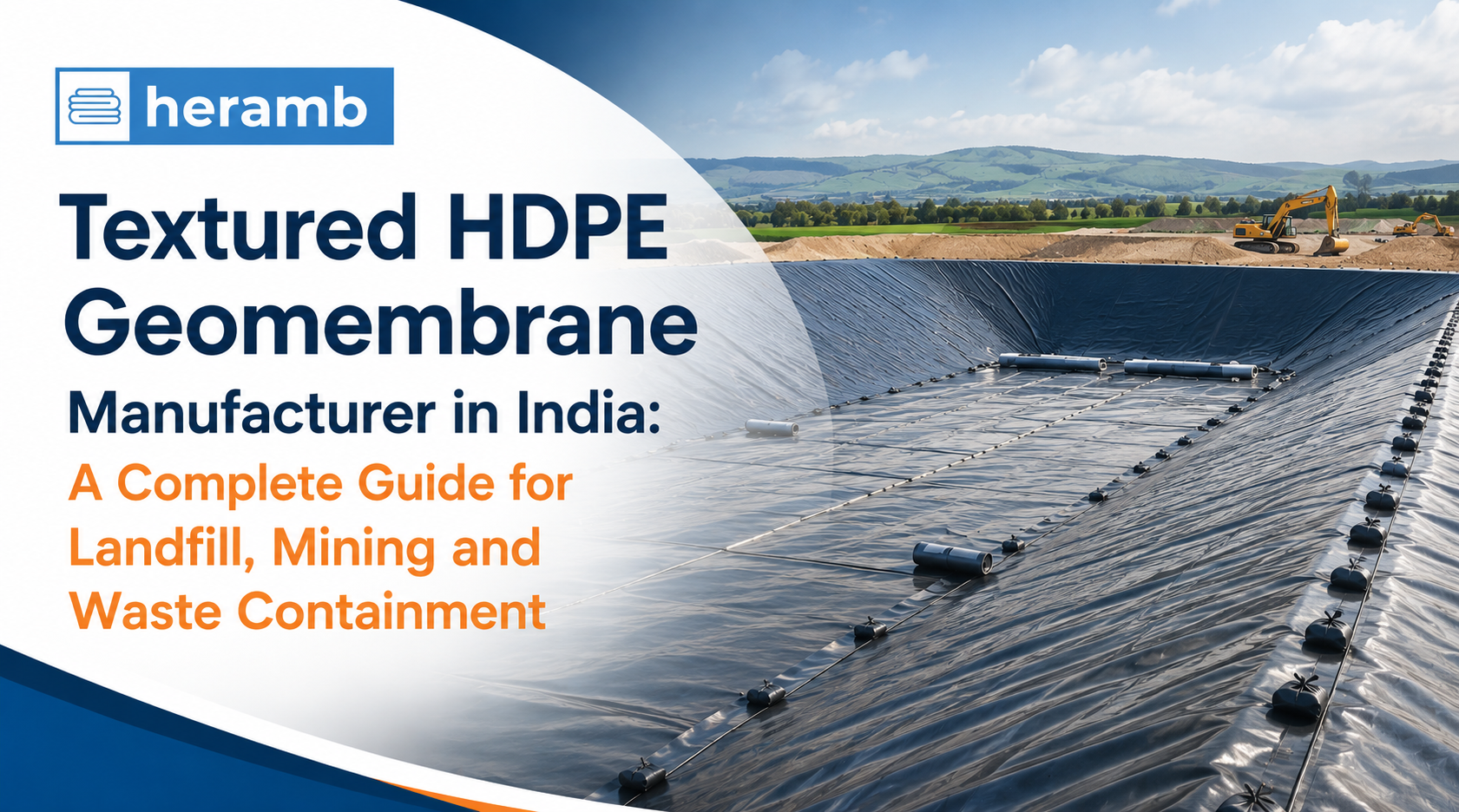
- Waste Containment and Landfills: HDPE geomembranes are commonly used to line landfills, providing an impermeable barrier that prevents leachate and hazardous chemicals from contaminating surrounding soil and groundwater. The flexibility and strength of HDPE allow it to conform to the uneven surface of landfills, ensuring complete containment of waste. Additionally, HDPE can be used for gas collection systems to capture methane, which can be converted into energy.
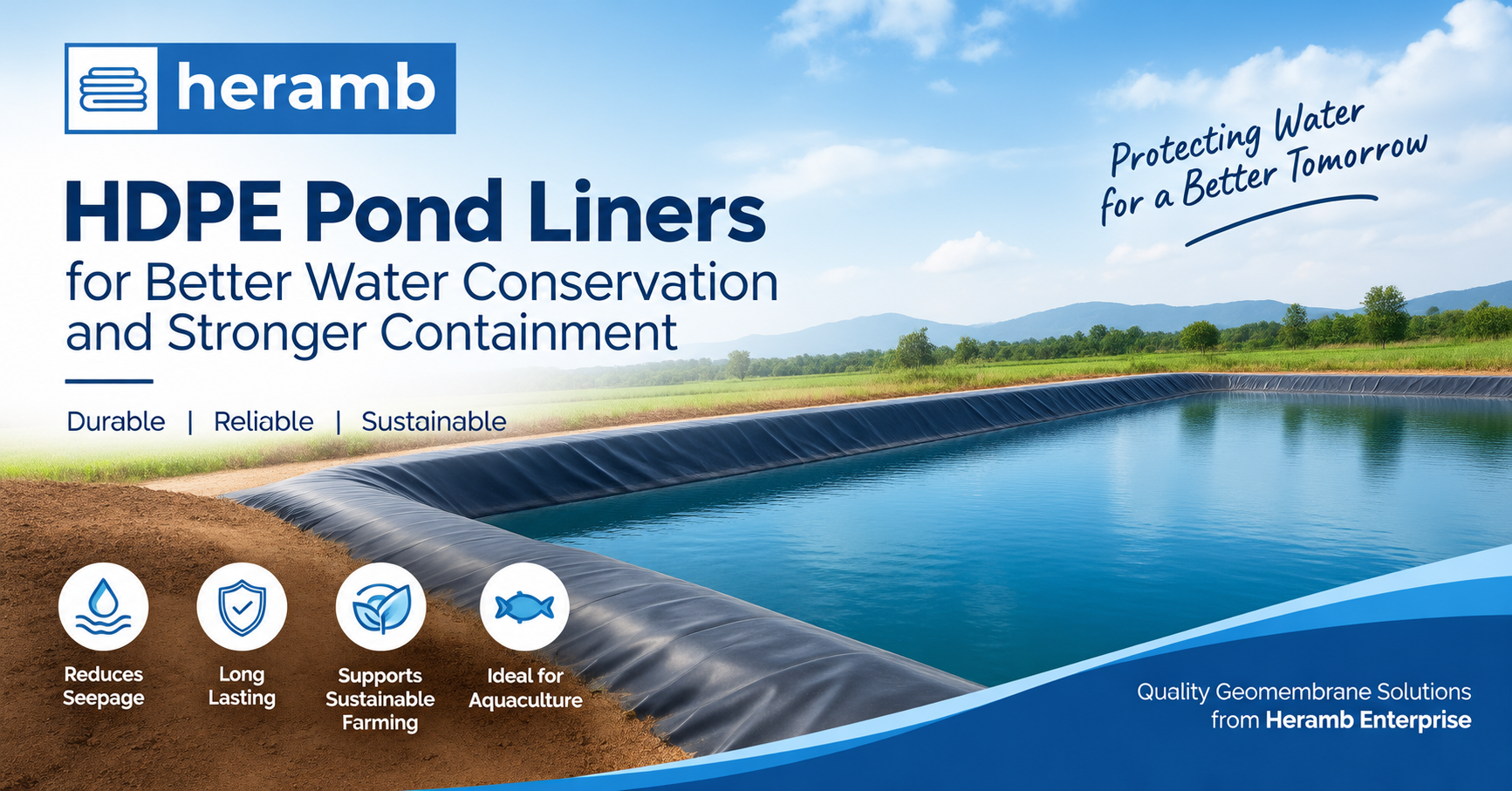
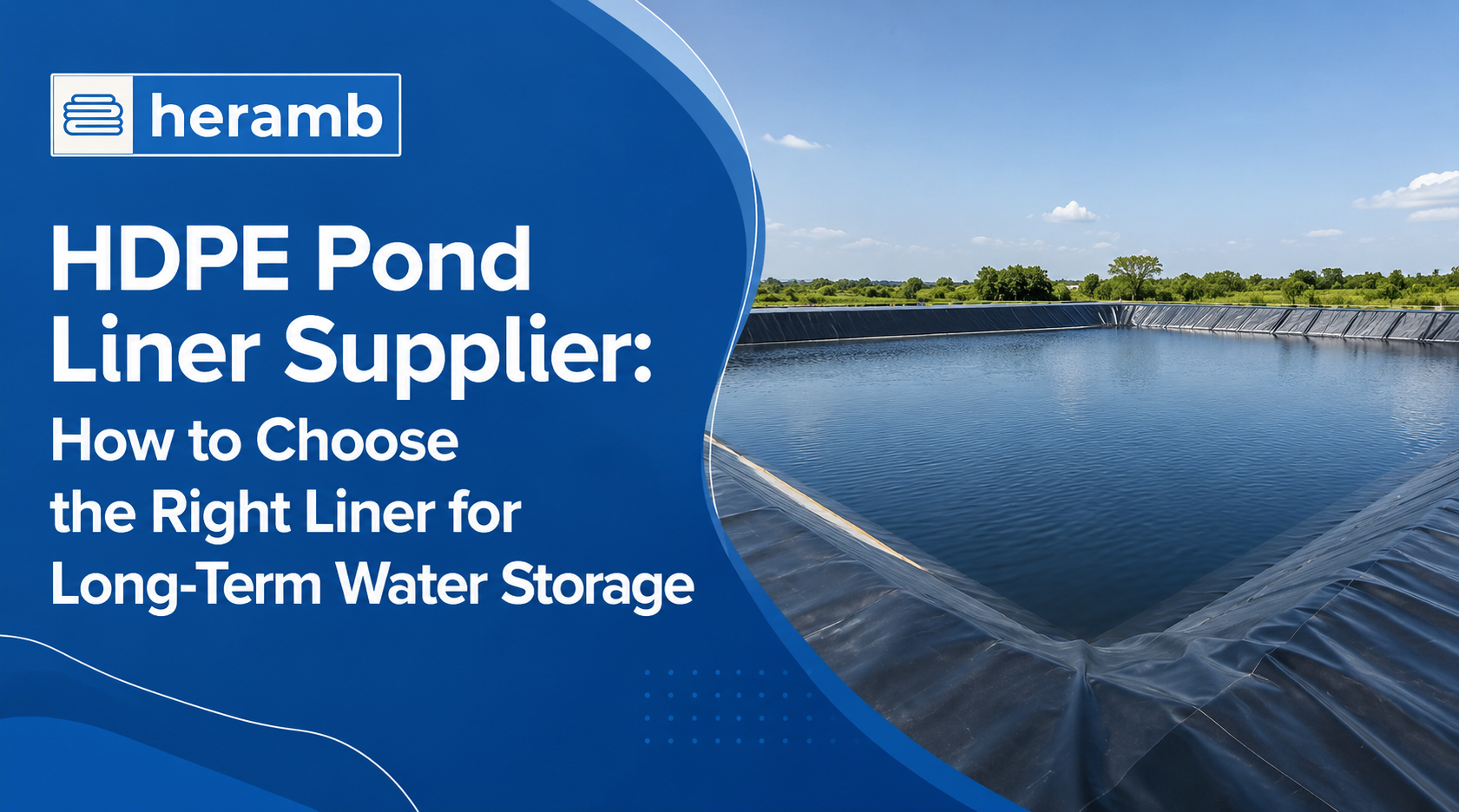
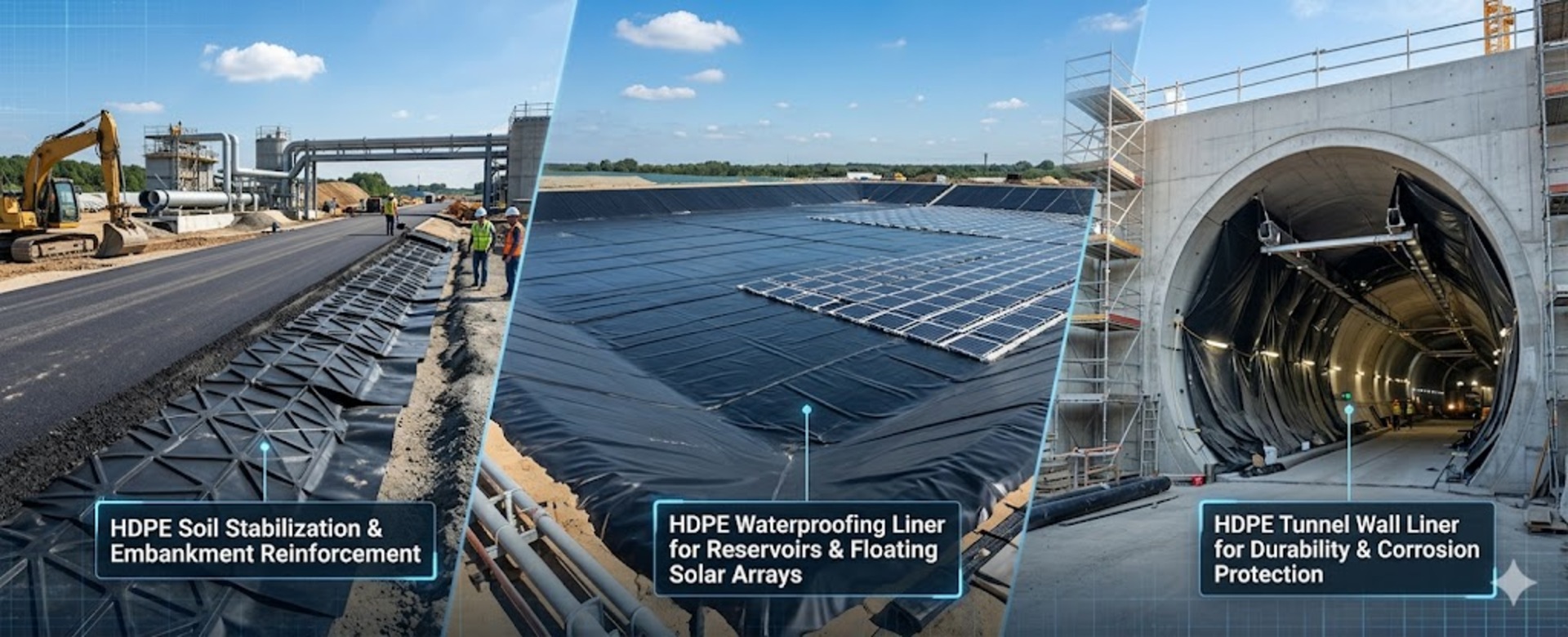
- Water Storage and Reservoirs: HDPE sheets are used to line irrigation ponds, reservoirs, and stormwater detention basins. These liners prevent water seepage into the surrounding soil, ensuring that stored water remains available for agricultural or municipal use. In drought-prone areas, HDPE-lined reservoirs offer a cost-effective and efficient solution for conserving water resources.
- Road Construction and Stabilization: In road construction, HDPE sheets are used as part of a geosynthetic system to improve soil stability and reduce erosion. These geomembranes help stabilize soft or weak soils, preventing settlement and enhancing the load-bearing capacity of the ground. This application is particularly valuable in areas with poor soil conditions or where road construction is challenging due to fluctuating water tables.
- Environmental Remediation: HDPE sheets are used in environmental remediation projects to contain and manage hazardous materials. For example, in mining operations, HDPE geomembranes line tailing ponds, preventing harmful chemicals and heavy metals from contaminating nearby water sources. The chemical resistance of HDPE makes it an ideal material for these types of high-risk containment applications.
- Coastal and Riverbank Protection: In coastal and riverbank protection projects, HDPE geomembranes are used to prevent erosion caused by tidal actions, waves, and flooding. By stabilizing the soil and providing a durable barrier, HDPE sheets protect vital infrastructure, preserve habitats, and reduce land loss in vulnerable areas. HDPE can also be used in shoreline stabilization projects, where it helps maintain the integrity of the coastline.
- Mining and Resource Recovery: In the mining industry, HDPE sheets are used to line mining ponds, heap leach pads, and tailing storage facilities. These geomembranes ensure that valuable resources like gold, silver, and copper are efficiently recovered while protecting the environment from contamination. HDPE’s resistance to chemicals and abrasion makes it well-suited for mining applications.
Through these innovative applications, HDPE sheets are playing an essential role in modern infrastructure projects, providing solutions that promote sustainability, efficiency, and environmental protection.