
In industrial facilities, safety is a critical concern, especially when it comes to handling hazardous materials, chemicals, and waste. Geomembrane sheets are an effective tool in enhancing safety by providing reliable containment and preventing the spread of contaminants. These synthetic liners are used in a variety of applications to ensure that industrial processes remain safe for workers, the environment, and surrounding communities.
Applications of Geomembranes for Safety Enhancement:
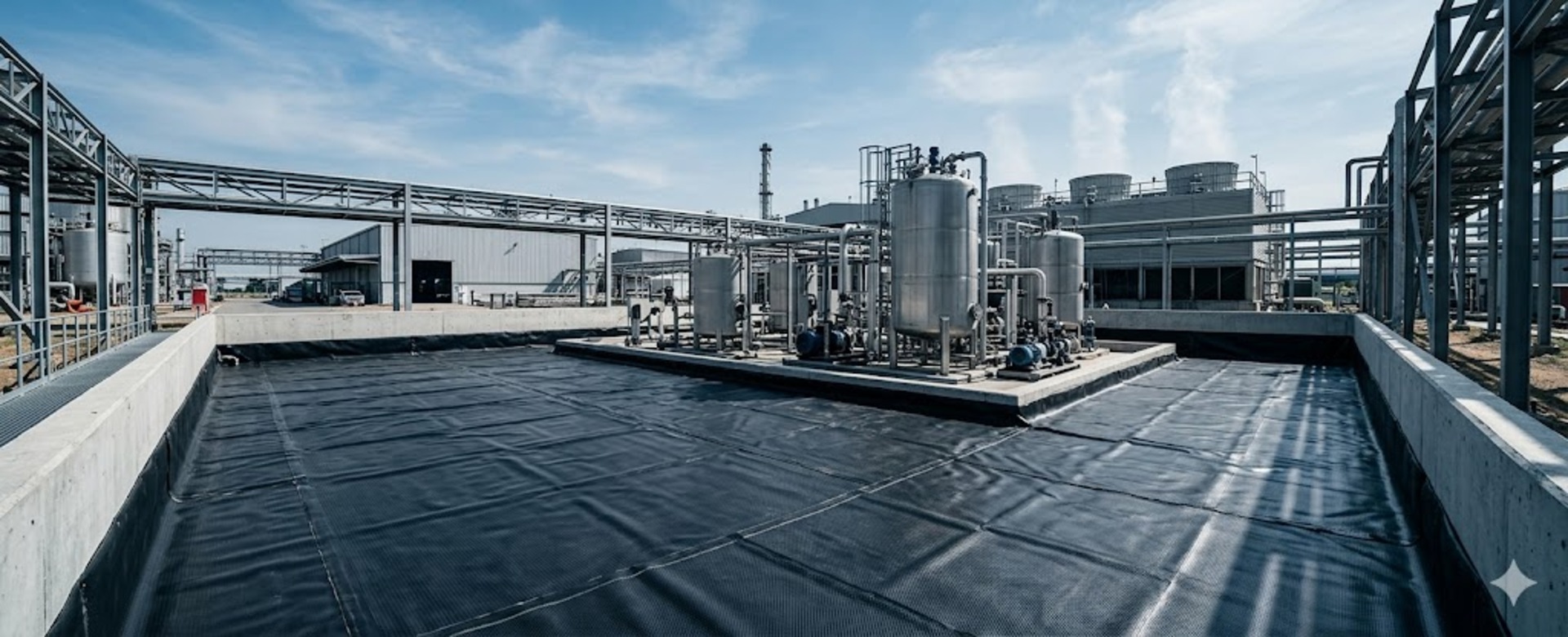
- Chemical Spill Containment: Industries dealing with chemicals or hazardous substances, such as oil refineries, chemical manufacturing plants, and wastewater treatment facilities, often face the risk of spills or leaks. Geomembranes are used to line containment areas, including storage tanks, sumps, and dikes, to prevent chemicals from escaping into the environment. By acting as an impermeable barrier, geomembranes prevent contamination of soil and groundwater, which could otherwise pose significant health and environmental risks.
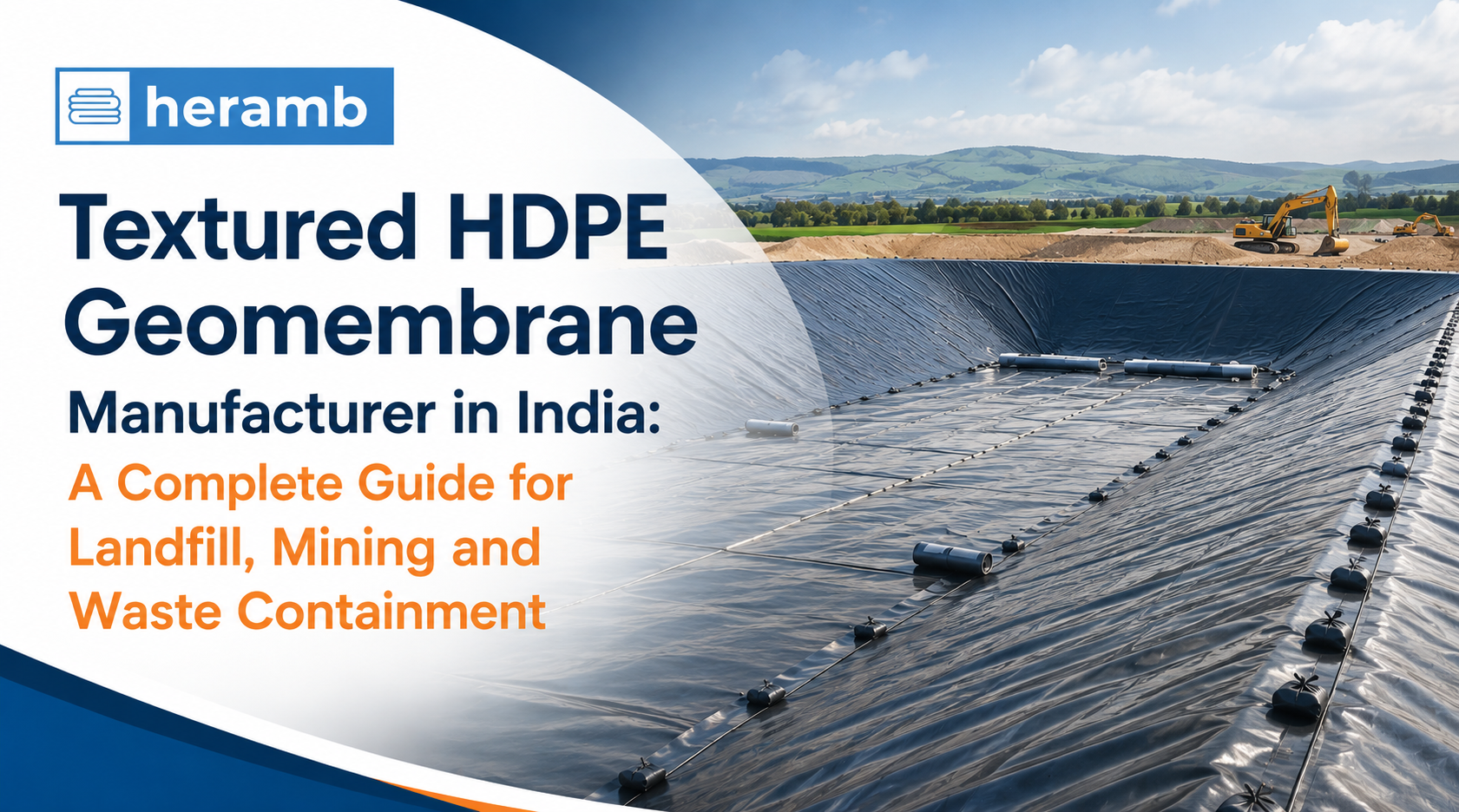
- Landfill Lining for Hazardous Waste: In industrial facilities that generate hazardous waste, geomembranes serve as liners in landfills or waste storage areas. These geomembranes prevent the migration of leachate (contaminated water) into the surrounding soil and groundwater, ensuring that toxic substances do not spread into the local ecosystem. This is particularly important for industries dealing with chemicals, heavy metals, or industrial byproducts.
- Secondary Containment for Storage Areas: For industries that store large quantities of fuels, oils, or chemicals, geomembranes are often used as part of a secondary containment system. In the event of a primary container failure, geomembranes help contain the spilled material, preventing environmental contamination. Secondary containment systems are critical for industries such as agriculture, mining, and energy production.
- Safety in Wastewater Treatment Plants: In wastewater treatment facilities, geomembranes are used to line tanks, ponds, and channels where treated or untreated water may come into contact with the soil. By preventing leakage and seepage, geomembranes help maintain the integrity of the treatment process and protect nearby water sources from contamination. Their use enhances safety by ensuring that the plant’s processes do not inadvertently harm the environment.
- Fire Containment in Hazardous Areas: In some industrial applications, geomembranes are used to line fire containment barriers. These geomembranes help contain potential fires or prevent the spread of fire from hazardous material storage areas. In oil and gas facilities, for instance, geomembranes may help to control the spread of hydrocarbons in case of an accident or spill.
By providing a protective barrier against contaminants, geomembrane sheets are an essential component in ensuring the safety of industrial facilities, reducing the risk of environmental damage, and improving regulatory compliance.