
HDPE sheets play a vital role in wildlife conservation by supporting habitat restoration, protecting natural water sources, and preventing environmental contamination. Their versatility and durability make them an ideal solution for various conservation projects.
How HDPE Sheets Support Wildlife Conservation:
- Habitat Restoration:
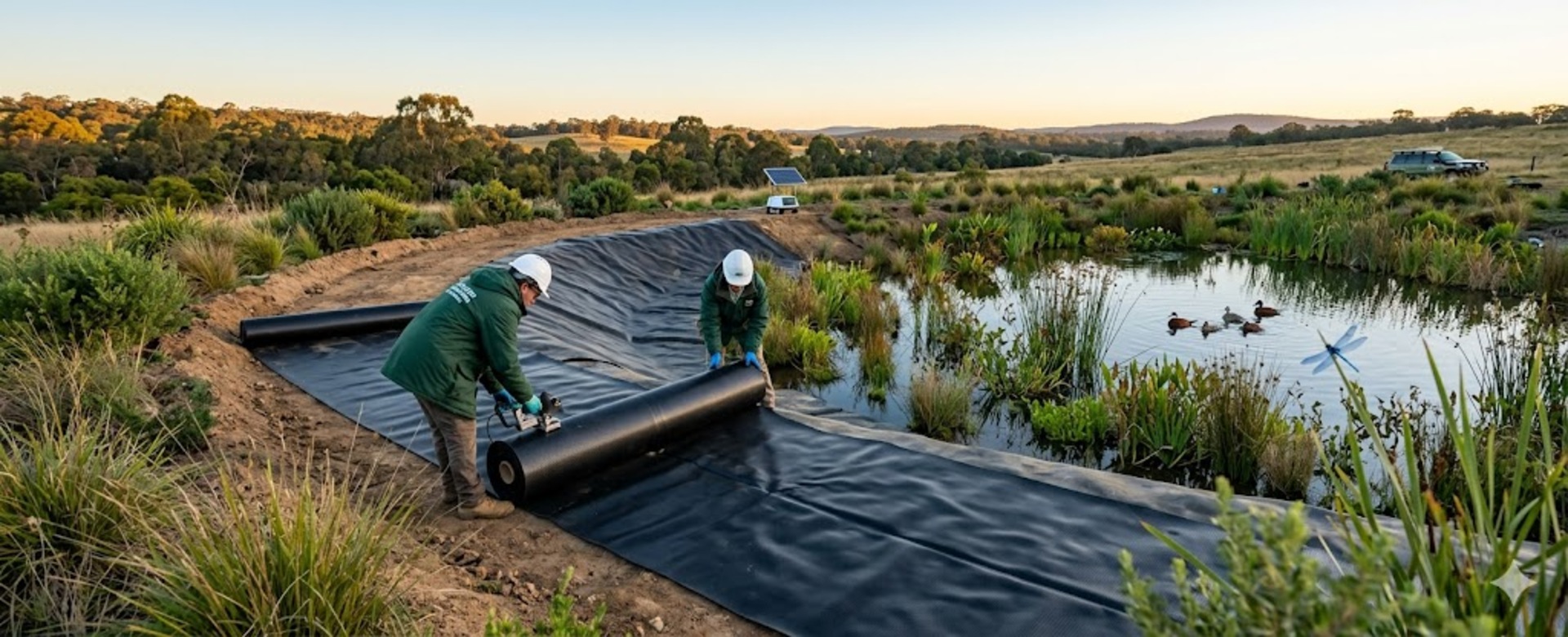
- HDPE sheets are used to line artificial ponds, wetlands, and lagoons that serve as habitats for wildlife.
- Benefit: Provides clean and stable water sources for aquatic and terrestrial species.
- Preventing Water Contamination:
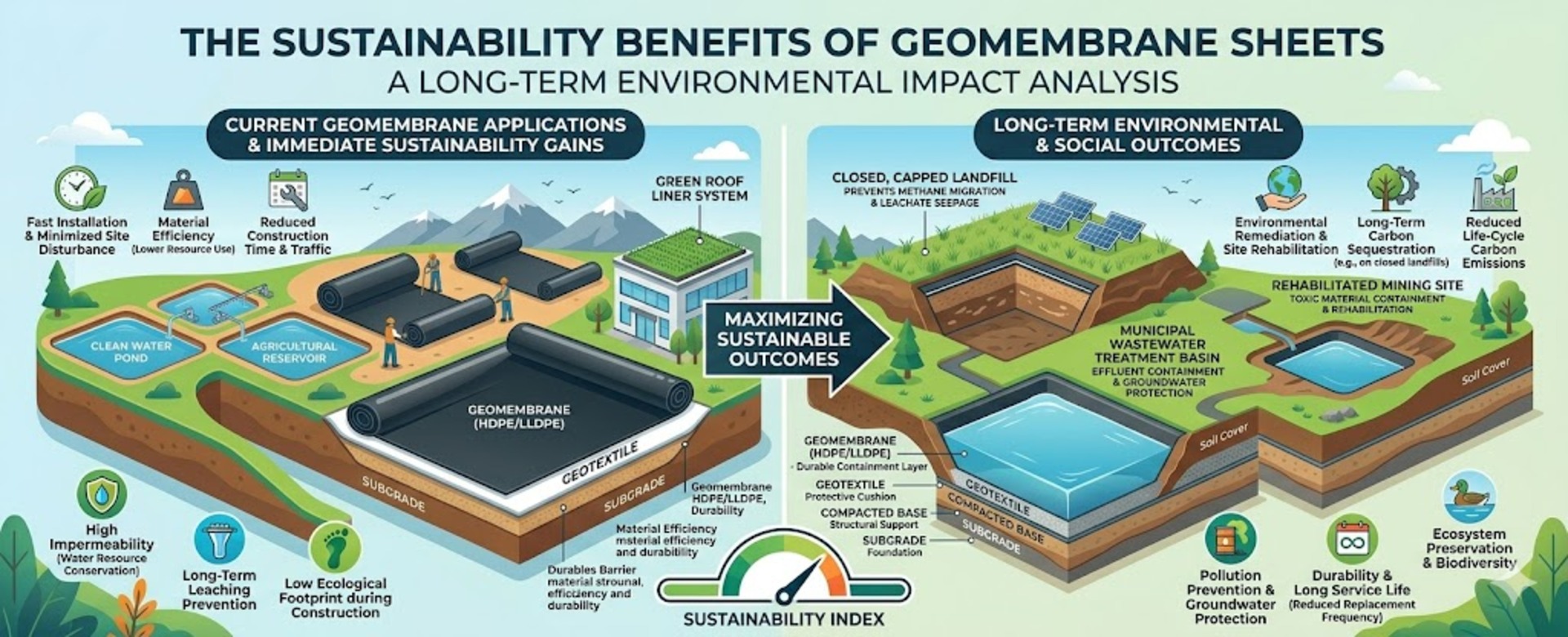
- In industries near wildlife habitats, HDPE sheets act as barriers to prevent chemicals, leachate, or wastewater from contaminating nearby ecosystems.
- Benefit: Protects natural habitats and preserves biodiversity.
- Erosion Control in Protected Areas:
- HDPE geomembranes stabilize soil in conservation zones, reducing erosion and sediment runoff that could harm sensitive ecosystems.
- Benefit: Maintains the integrity of natural landscapes.
- Rainwater Harvesting for Wildlife:
- HDPE-lined reservoirs are used to store rainwater for wildlife during dry seasons, ensuring access to water in arid regions.
- Benefit: Supports wildlife during periods of water scarcity.
- Supporting Reforestation Projects:
- HDPE sheets are used to create irrigation systems for reforestation efforts, providing water to saplings in remote areas.
- Benefit: Accelerates forest regeneration and enhances carbon capture.
Advantages of Using HDPE Sheets in Conservation Projects:
- Eco-Friendly: Non-toxic and safe for wildlife.
- Durable: Withstands harsh environmental conditions.
- Low Maintenance: Reduces the need for frequent repairs or replacements.
By enabling sustainable water and land management, HDPE sheets contribute significantly to wildlife conservation and the protection of natural ecosystems.