
Landfills are a critical component of modern waste management systems, but they pose significant environmental challenges, particularly in terms of preventing leachate contamination and methane emissions. High-Density Polyethylene (HDPE) sheets play an essential role in enhancing the sustainability of landfill construction by providing durable, impermeable barriers that protect the surrounding environment from hazardous waste and gases.
Sustainability Benefits of HDPE Sheets in Landfill Construction:
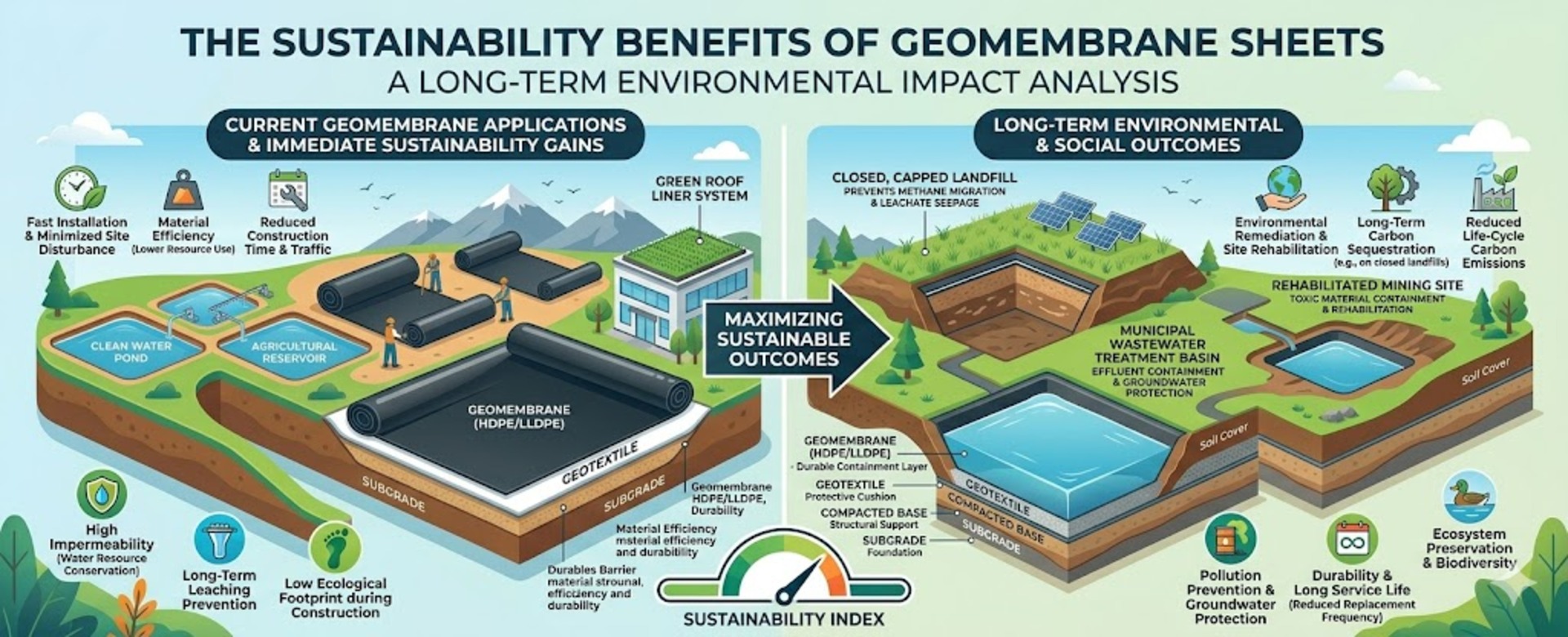
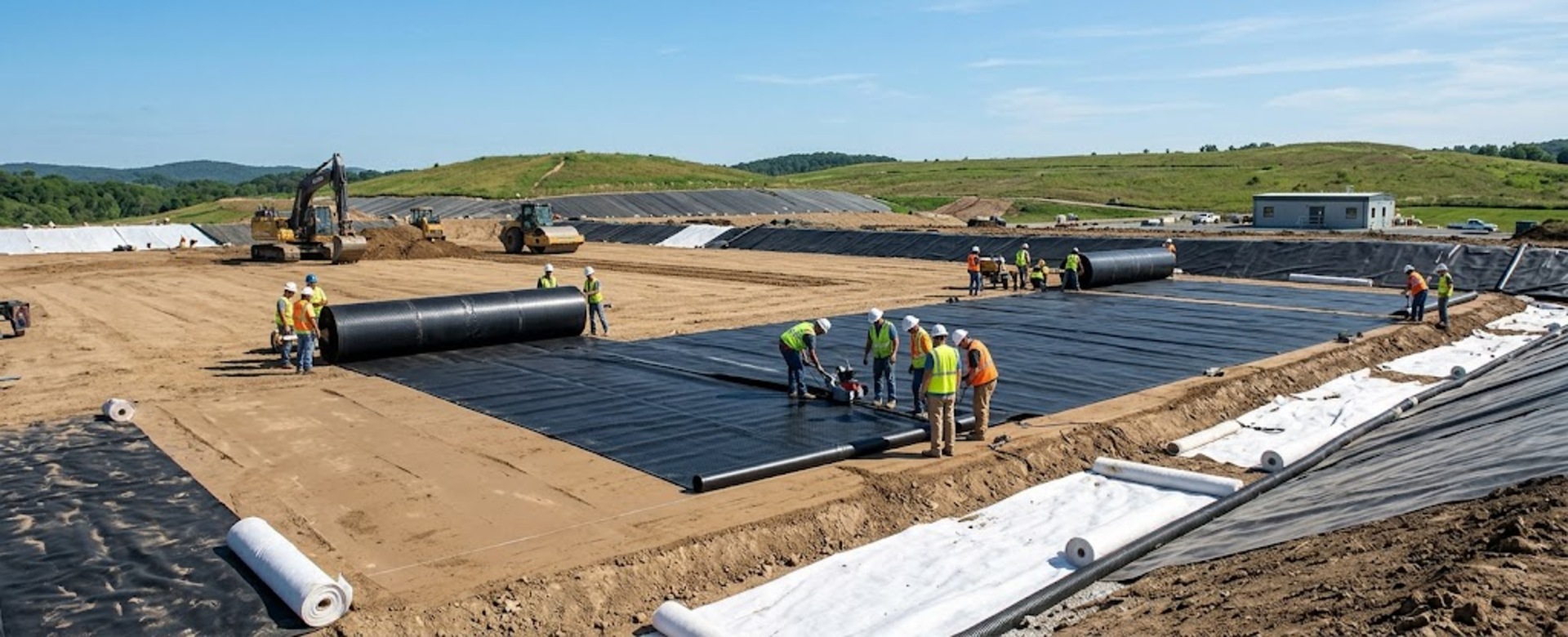
- Leachate Containment: Leachate, the liquid formed when waste materials decompose, can be highly toxic and harmful to the environment. HDPE geomembranes are used as liners at the bottom of landfills to contain leachate and prevent it from seeping into the soil and groundwater. The impermeable nature of HDPE ensures that contaminants are kept contained, significantly reducing the risk of groundwater pollution.
- Methane Gas Containment: As organic waste decomposes in landfills, it produces methane, a potent greenhouse gas. HDPE sheets are also used to line the top of landfills, acting as a barrier to trap methane gas. Once captured, methane can be safely extracted and used as a renewable energy source, helping to reduce the landfill’s carbon footprint.
- Durability and Long-Term Performance: HDPE is highly durable and resistant to environmental stressors such as UV radiation, temperature fluctuations, and chemical exposure. This makes it an ideal material for landfill construction, where long-term performance is crucial. HDPE’s longevity reduces the need for frequent repairs or replacements, making landfills more sustainable in the long term.
- Reduced Soil and Water Contamination: By providing a strong, impermeable barrier, HDPE sheets prevent the migration of contaminants from landfill waste into surrounding soil and water sources. This helps protect ecosystems and human health, ensuring that landfill operations do not contribute to environmental degradation.
- Recyclability: One of the most sustainable features of HDPE is its recyclability. Used HDPE geomembranes can be recycled and repurposed for other applications, reducing waste and conserving resources. This aligns with the broader goals of sustainable waste management, minimizing the environmental impact of landfill construction.
HDPE sheets contribute to more sustainable landfill operations by enhancing leachate and methane gas containment, protecting natural resources, and offering long-term durability. These features make HDPE an essential component in creating more eco-friendly and efficient landfills.