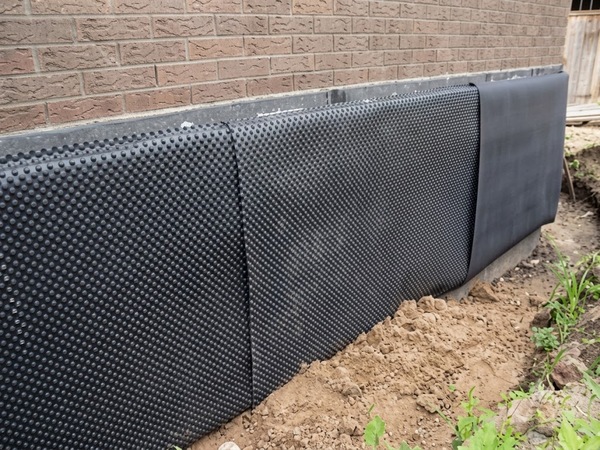
What Is a Basement Waterproofing Membrane?
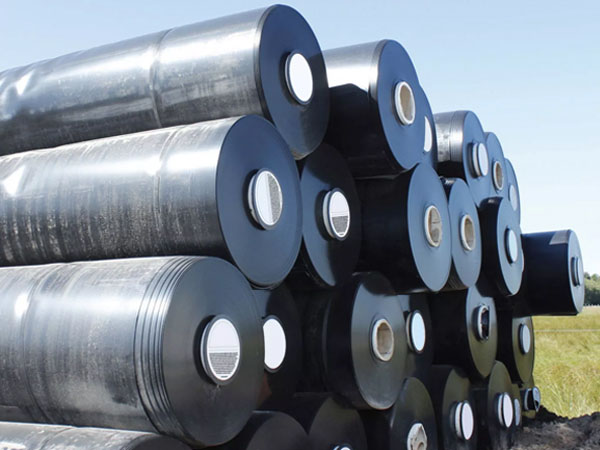
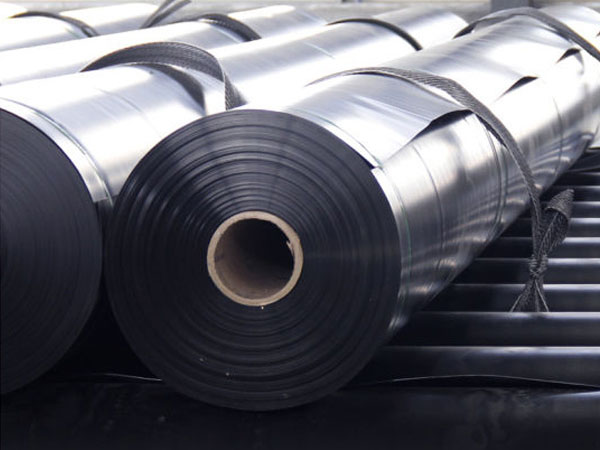
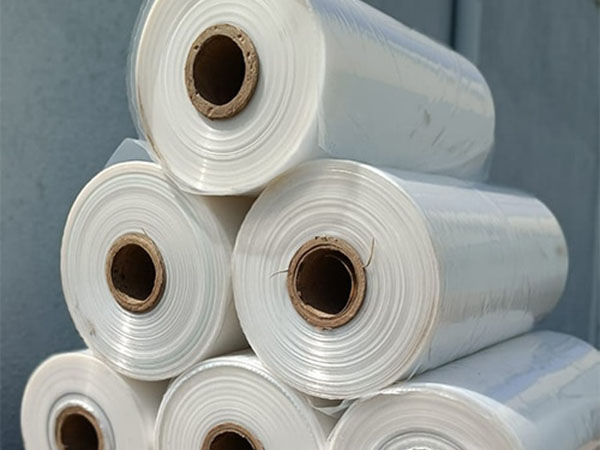
A basement waterproofing membrane is an impermeable layer of material applied to walls, floors, or foundations to prevent water infiltration. These membranes act as a barrier, blocking moisture and protecting against issues such as mold, mildew, and structural damage. Manufactured from durable materials like HDPE (High-Density Polyethylene), LDPE (Low-Density Polyethylene), and PVC (Polyvinyl Chloride), they provide reliable waterproofing solutions for residential, commercial, and industrial buildings.
Key Features of Basement Waterproofing Membranes
Waterproof and Leakproof:
- Effectively prevents water penetration and seepage into basements.
High Durability:
- Resistant to wear, punctures, and environmental stresses.
Chemical and UV Resistance:
- Withstands chemical exposure and long-term sunlight exposure for lasting performance.
Flexible and Adaptable:
- Easily conforms to various surfaces and complex structural shapes.
Ease of Installation:
- Designed for quick and hassle-free application.
Benefits of Using Basement Waterproofing Membranes
Enhanced Structural Integrity:
- Protects foundations from water-induced damage, such as cracks and erosion.
Prevention of Mold and Mildew:
- Creates a dry environment, reducing health risks associated with mold growth.
Energy Efficiency:
- Prevents dampness, enhancing thermal insulation and reducing energy consumption.
Cost Savings:
- Minimizes the need for costly repairs and maintenance over time.
Sustainability:
- Eco-friendly materials support green building initiatives.
Applications of Basement Waterproofing Membranes
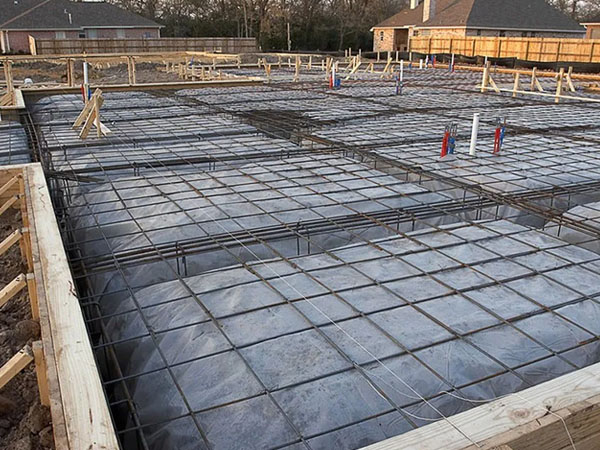
Foundation Protection
Uses:
- Lining exterior foundation walls to block moisture entry.
Benefits:
- Prevents water damage and maintains structural stability.
Basement Floors and Walls
Uses:
- Covers interior surfaces to create a moisture-resistant barrier.
Benefits:
- Ensures a dry and usable basement space.
Retaining Walls
Uses:
- Prevents water seepage and hydrostatic pressure against walls.
Benefits:
- Reduces stress on retaining structures.
Underground Parking Areas
Uses:
- Waterproofing membranes protect large below-ground parking spaces.
Benefits:
- Ensures a safe and dry environment.
Technical Specifications:
- Materials: HDPE, LDPE, PVC, or EPDM.
- Thickness Range: 0.5mm to 2mm (customizable).
- Width: Up to 8 meters.
- Roll Length: Adjustable based on project requirements.
- Temperature Resistance: Effective between -30°C and +60°C.
- Color Options: Standard black or customized as needed.
- Compliance: Meets ISO and BIS quality standards.
Installation Process
Surface Preparation:
- Clean and level the surface to ensure proper adhesion of the membrane.
Membrane Application:
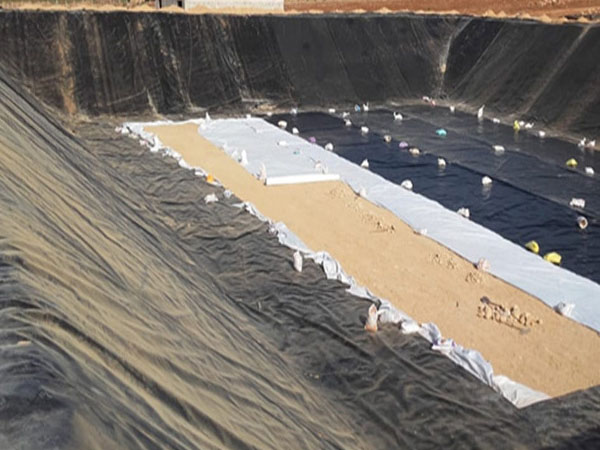
- Roll out the membrane and position it over the target area.
- Ensure overlap at joints for a watertight seal.
Sealing:
- Use heat welding, adhesive, or mechanical fastening methods to secure the membrane.
Inspection:
- Check for any gaps, leaks, or weak points after installation.
Protective Layer Addition:
- Add a layer of concrete, soil, or gravel to protect the membrane.
Why Choose Heramb for Basement Waterproofing Membranes?
Superior Quality Materials:
- Crafted with precision for unmatched performance and longevity.
Customizable Solutions:
- Tailored products to meet the unique requirements of each project.
Expert Support:
- Comprehensive assistance from product selection to installation guidance.
Nationwide Delivery:
- Reliable supply chain ensures timely delivery across India.
Focus on Sustainability:
- Eco-conscious manufacturing practices for sustainable construction.
Industries We Serve
- Residential housing projects.
- Commercial and office buildings.
- Industrial complexes.
- Infrastructure projects like tunnels and bridges.
Contact Heramb Enterprises for Basement Waterproofing Membranes
Protect your basement with Heramb Enterprises’ durable waterproofing membranes. Contact us today to discuss your project, request a quote, or learn more about our comprehensive range of waterproofing solutions.