
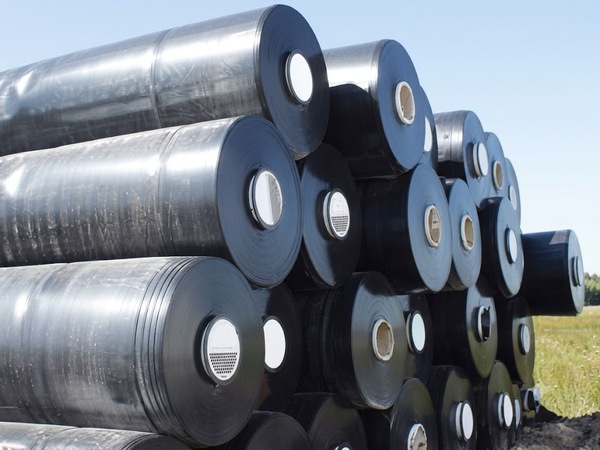
Geomembrane Sheets for Containment and Lining Projects
A geomembrane sheet is a low-permeability synthetic membrane used as a barrier in engineered containment and lining systems. It can help control the movement of water or other liquids when the material is selected correctly and installed according to the project design.
Geomembrane sheets are used in a variety of settings, from agricultural water storage to industrial containment. However, the best material for a project depends on more than its name. Polymer type, thickness, surface finish, chemical compatibility and installation conditions should all be considered.
Heramb Geomembrane supplies geomembrane and related plastic sheet products. Customers can contact the team with their project specifications to discuss product availability and request a quotation.
What Is a Geomembrane Sheet?
Geomembranes are manufactured from synthetic polymer materials and are designed for applications requiring a barrier with low permeability. Depending on the material and formulation, they may be used in water storage, environmental containment, industrial facilities and other engineered systems.
A geomembrane is only one part of the complete lining system. Subgrade preparation, drainage, protection layers, seam joining, inspection and construction quality can influence the overall performance of the installation.
For this reason, product selection should be coordinated with the project designer or responsible engineer where required.
Types of Geomembrane Materials
HDPE Geomembrane Sheets
High-density polyethylene (HDPE) geomembranes are commonly considered for engineered lining and containment projects. Their suitability depends on the specific product formulation, thickness and operating environment.
They may be evaluated for:
- Water storage and reservoir lining
- Selected industrial containment projects
- Waste-management facilities
- Mining-related containment systems
- Engineered ponds and channels
HDPE selection should take into account chemical exposure, installation requirements, slope conditions and the applicable technical specification.
LDPE Geomembrane Sheets
Low-density polyethylene (LDPE) sheets are associated with greater flexibility than many higher-density polyethylene formulations. They may be considered for suitable covering, lining and other sheet applications, subject to product specifications.
When evaluating LDPE, consider the required flexibility, exposure conditions, mechanical demands and the intended use of the sheet. Do not assume that every LDPE sheet is designed for the same containment duties as an engineered geomembrane.
LLDPE Geomembrane Sheets
Linear low-density polyethylene (LLDPE) geomembranes may be considered when flexibility and conformity to the prepared surface are important design considerations.
The appropriate product depends on the required mechanical properties, installation method, operating environment and project requirements. Confirm the available grade and its technical documentation before specifying it.
Important: HDPE, LDPE and LLDPE are not interchangeable in every application. Confirm the material actually offered for the order rather than selecting on polymer name alone.
Smooth and Textured Surface Options
Smooth Geomembranes
A smooth surface may be suitable for applications where the specified liner design does not require a textured interface. The complete system should still be evaluated for stability, installation and protection requirements.
Textured Geomembranes
A textured surface may be specified where interface friction between the geomembrane and adjacent materials is an important design consideration, particularly on selected slopes.
Texture type and friction performance should be confirmed against the project’s engineering requirements. A textured surface should not automatically be treated as suitable for every slope or interface.
How to Select a Geomembrane Sheet
1. Define the Intended Application
Start by identifying what the liner will contain, where it will be installed and how the structure will operate. Clean-water storage and industrial liquid containment can have very different material requirements.
2. Confirm Material Compatibility
Consider contact with liquids, chemicals, soil, sunlight and other environmental conditions. Request technical documentation when the project requires evidence of compatibility or resistance.
3. Establish the Required Thickness
Thickness should be specified according to the project design, site conditions, mechanical demands and applicable standards. A thicker sheet is not automatically the best option for every project.
4. Determine Sheet and Roll Dimensions
Calculate the required coverage area and consider the dimensions of the prepared site. Roll width and length can affect handling, seam locations, waste and installation planning.
5. Review Surface and Installation Requirements
Determine whether a smooth or textured finish is required. Consider subgrade preparation, protection layers, welding access, seam inspection and the skills needed for installation.
6. Confirm Technical and Commercial Details
Before placing an order, verify the product description, thickness, dimensional tolerances, quantity, testing requirements, packaging, delivery terms and any agreed compliance documentation.
Factors That Affect Geomembrane Sheet Pricing
Geomembrane prices depend on the actual product and order requirements. Factors that may affect a quotation include:
- Polymer type and product formulation
- Required thickness
- Sheet width and roll length
- Surface finish and other specified features
- Total order quantity
- Packaging and handling requirements
- Transport distance and delivery arrangements
- Required testing or project documentation
For an accurate price, provide the complete specification and delivery location rather than relying on a general price per square metre.
Ordering Geomembrane Sheets from Heramb
To help our team review your enquiry, please share the following details:
- Application: Describe the pond, reservoir, industrial facility or other project.
- Material: State the required polymer or ask for guidance.
- Thickness: Provide the specified thickness or project requirement.
- Dimensions: Share the required width, length or coverage area.
- Quantity: Provide the estimated order quantity.
- Destination: Include the delivery city, state or country.
- Documentation: List any applicable standards, test methods or documents required.
The sales team can then review the enquiry and confirm available product options, technical information and commercial terms.